
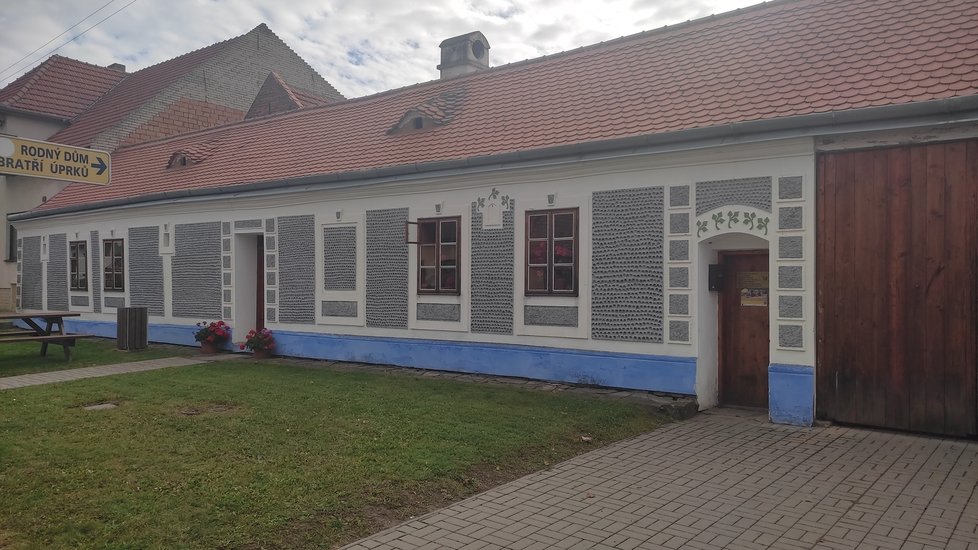
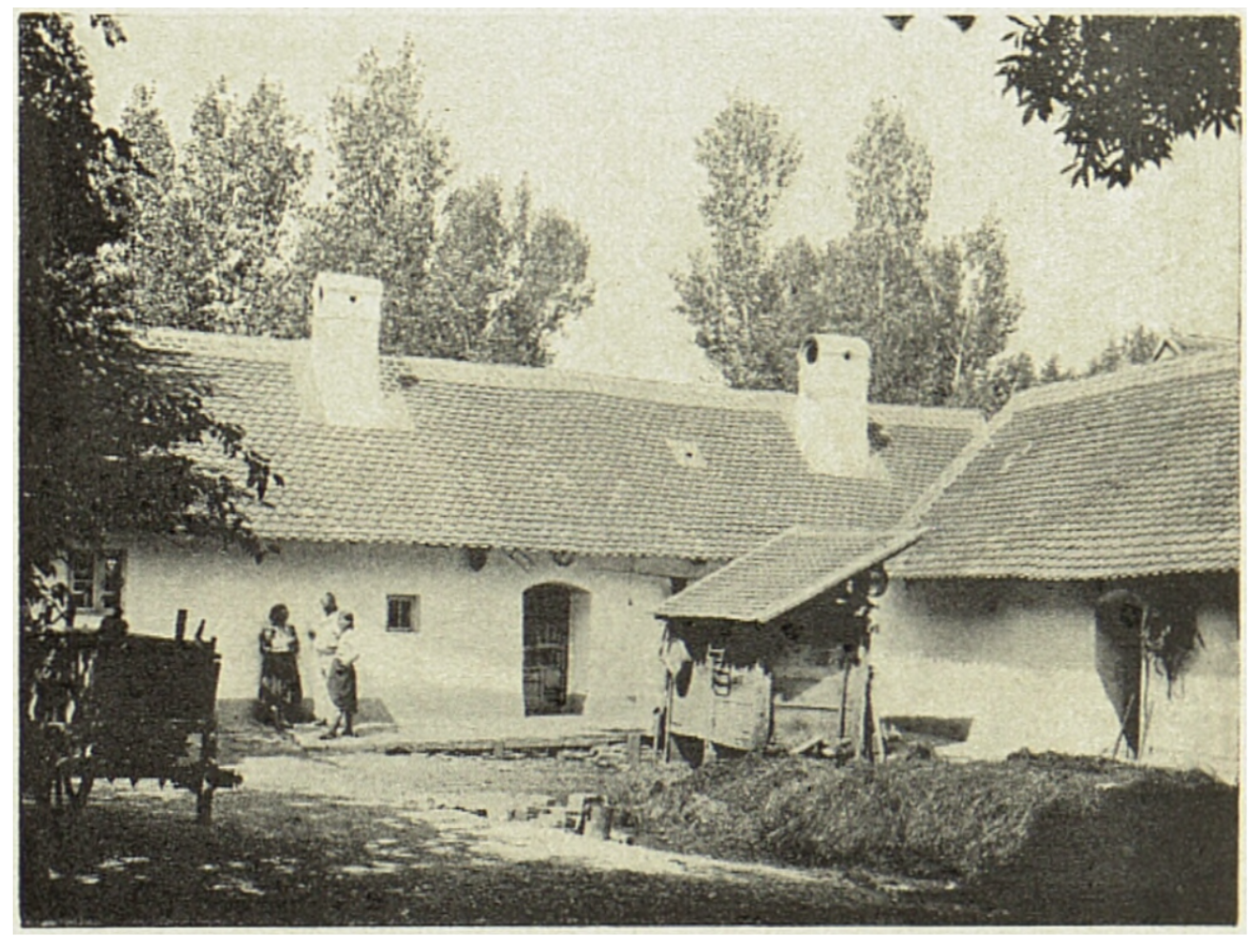
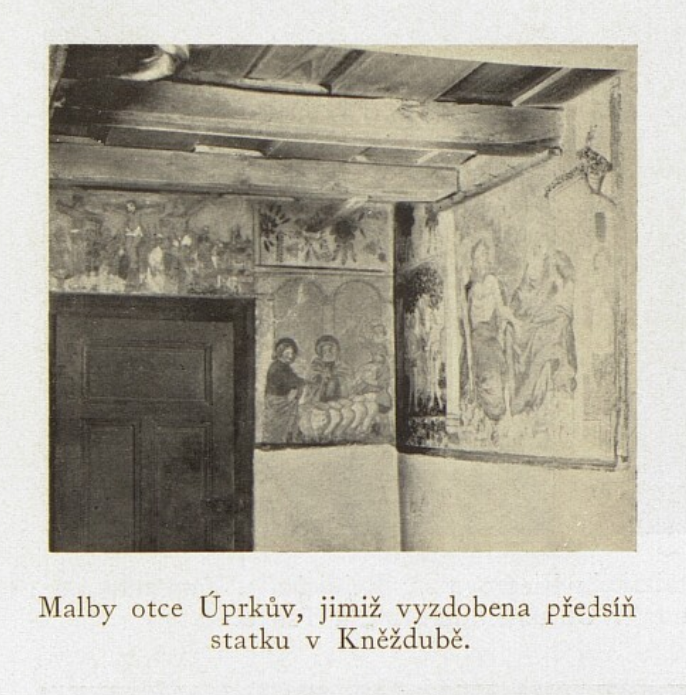
1880-1888
Education
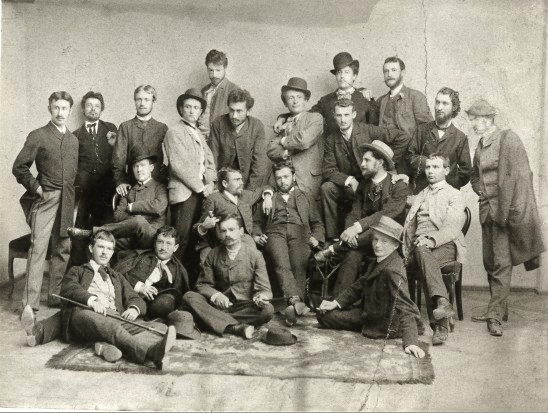
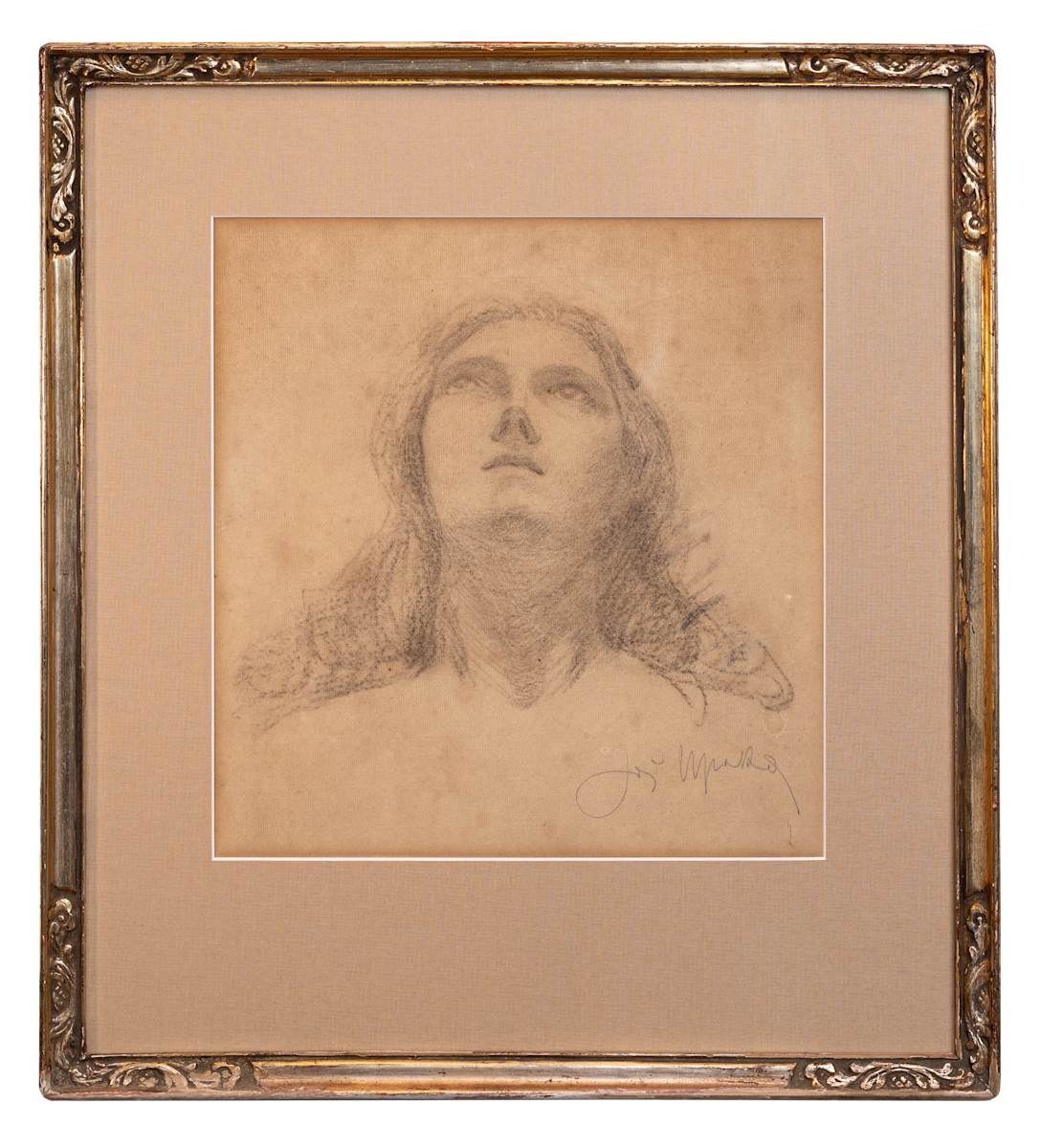
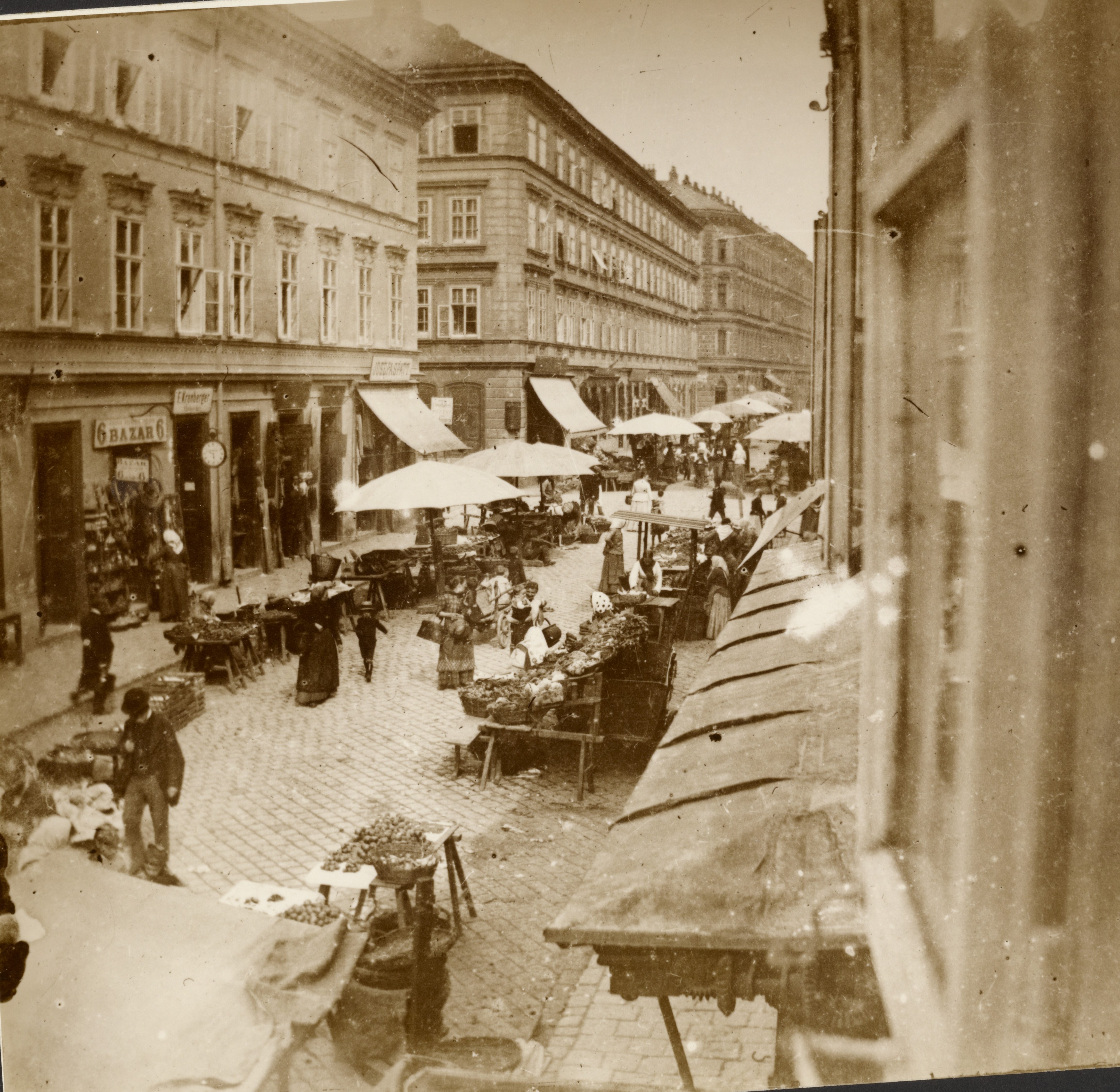
While studying at the gymnasium in Olomouc, he decided to pursue a career as a professional painter and went to study at the Academy of Painting in Prague. In his 20s, he moved to Munich, where he enrolled at the Academy and was a founding member of a Czech students organization (The Škreta student association), which brought together students from the Czech lands and established contacts with art students from other Slavic countries. Uprka was its chairman from April 25th, 1885. After Alfons Mucha arrived at the Munich Academy in the autumn of 1885, they became friends and Mucha took over the leadership of the Škréta Association from Uprka.
Click the image to view enlarged version.
1894
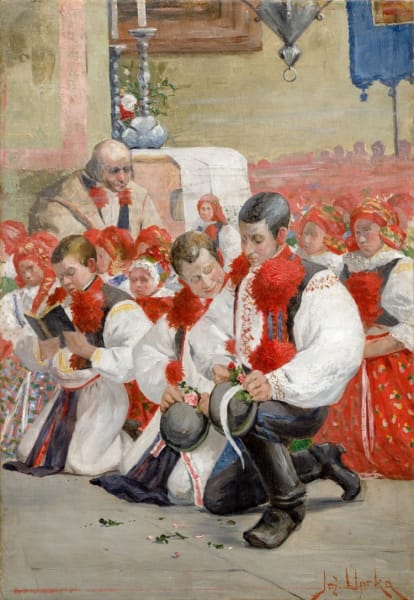
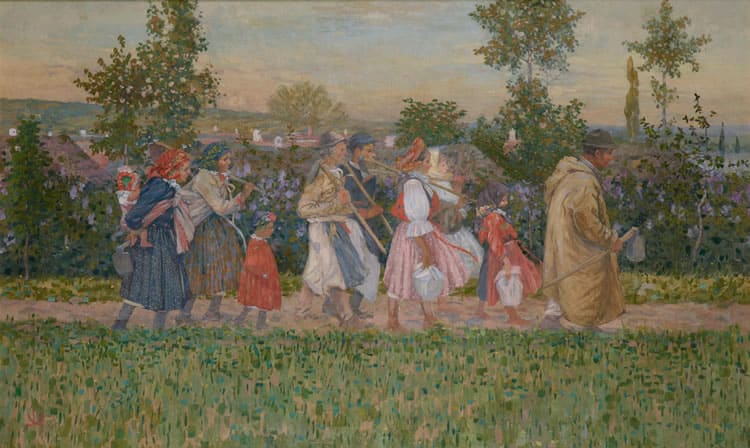
Pilgrimage to St. Anthony
With the organizational help of Alphonse Mucha, he participated in the Paris Salon of French Artists in 1894 to present his painting “Pilgrimage to St. Anthony” and received the Honorable Mention Award, which established the way for him to be recognized in the Czech lands. (The painting was exhibited under the catalog number 1769 and the French title Les pèlerins slovaques (de Moravie) devant l’église, i.e. “Slovak Pilgrims (from Moravia) in front of the church”). For a larger version of the same painting, he received the annual gold medal from the Czech Academy of Sciences and Arts in 1895.
Click the image to view enlarged version.
1897
Ride of the Kings
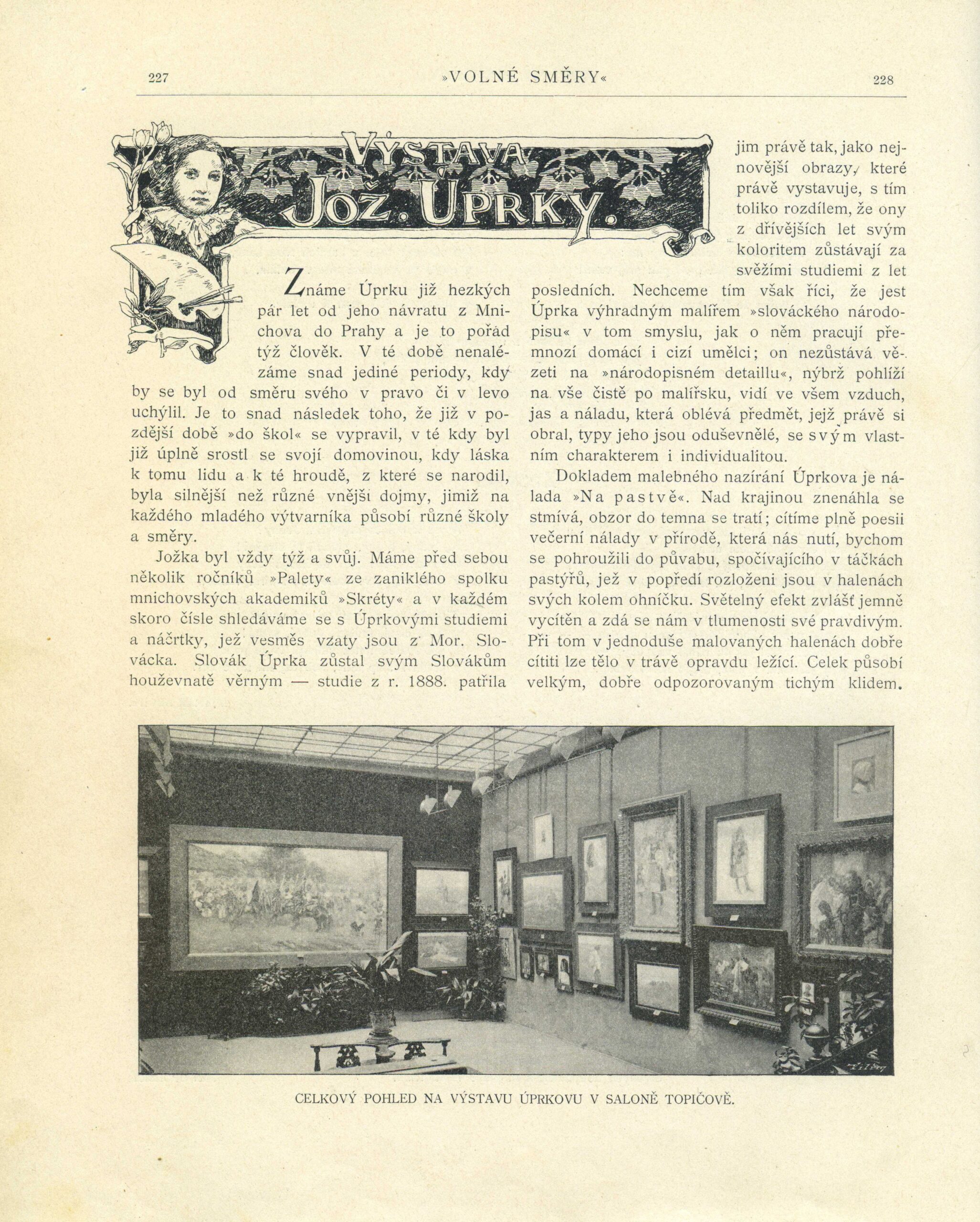
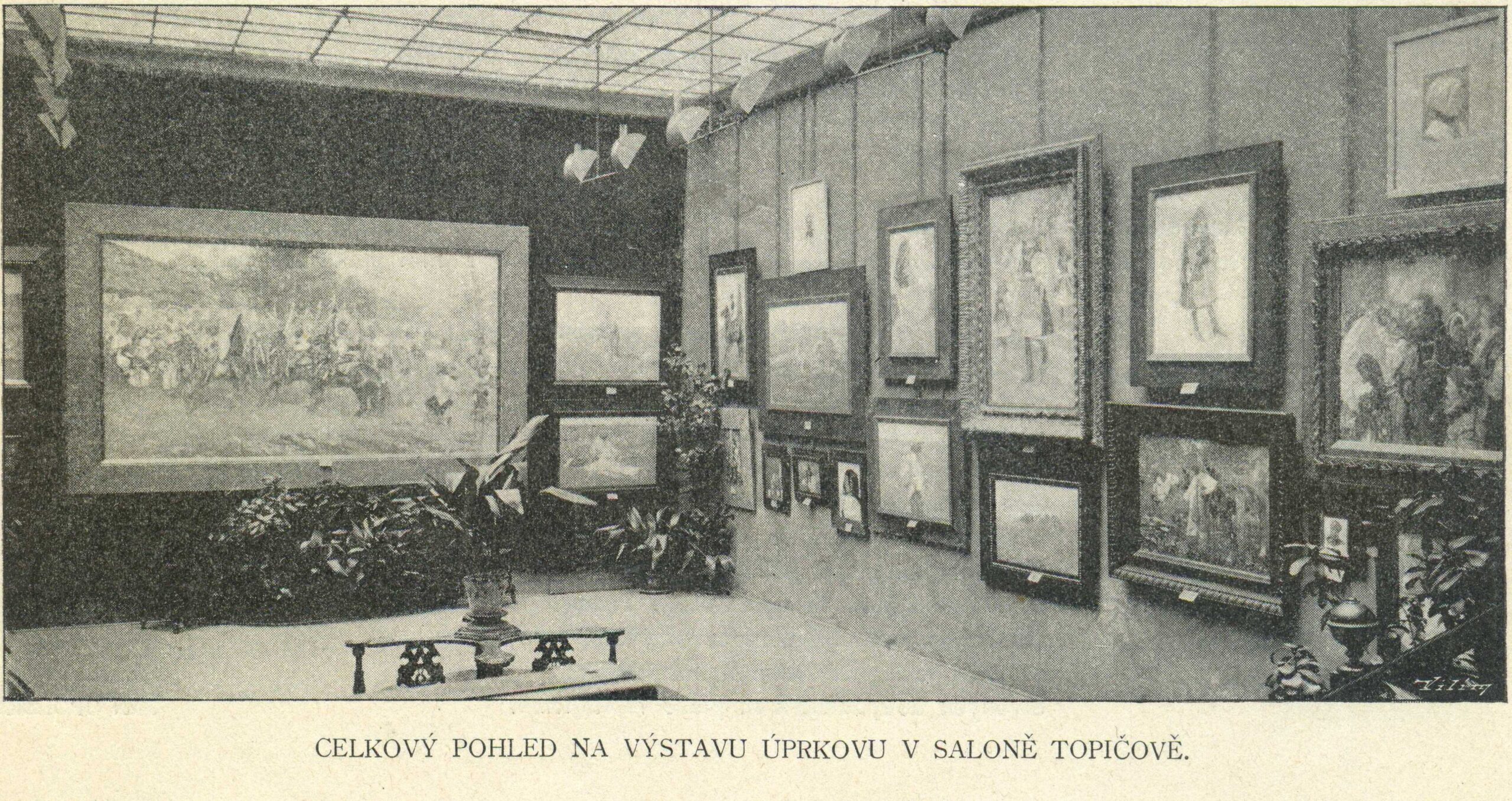
At the beginning of 1897 (February), he organized a group exhibition of watercolors and oil paintings at the Topič Salon in Prague, where he also exhibited “Ride of the Kings” in Vlčnov, completed at the end of 1896. This exhibition and its similar exhibitions in Brno and Ostrava placed Uprka among the leading painters of Bohemia and Moravia.
Click the image to view enlarged version.
1899
Plot of land,
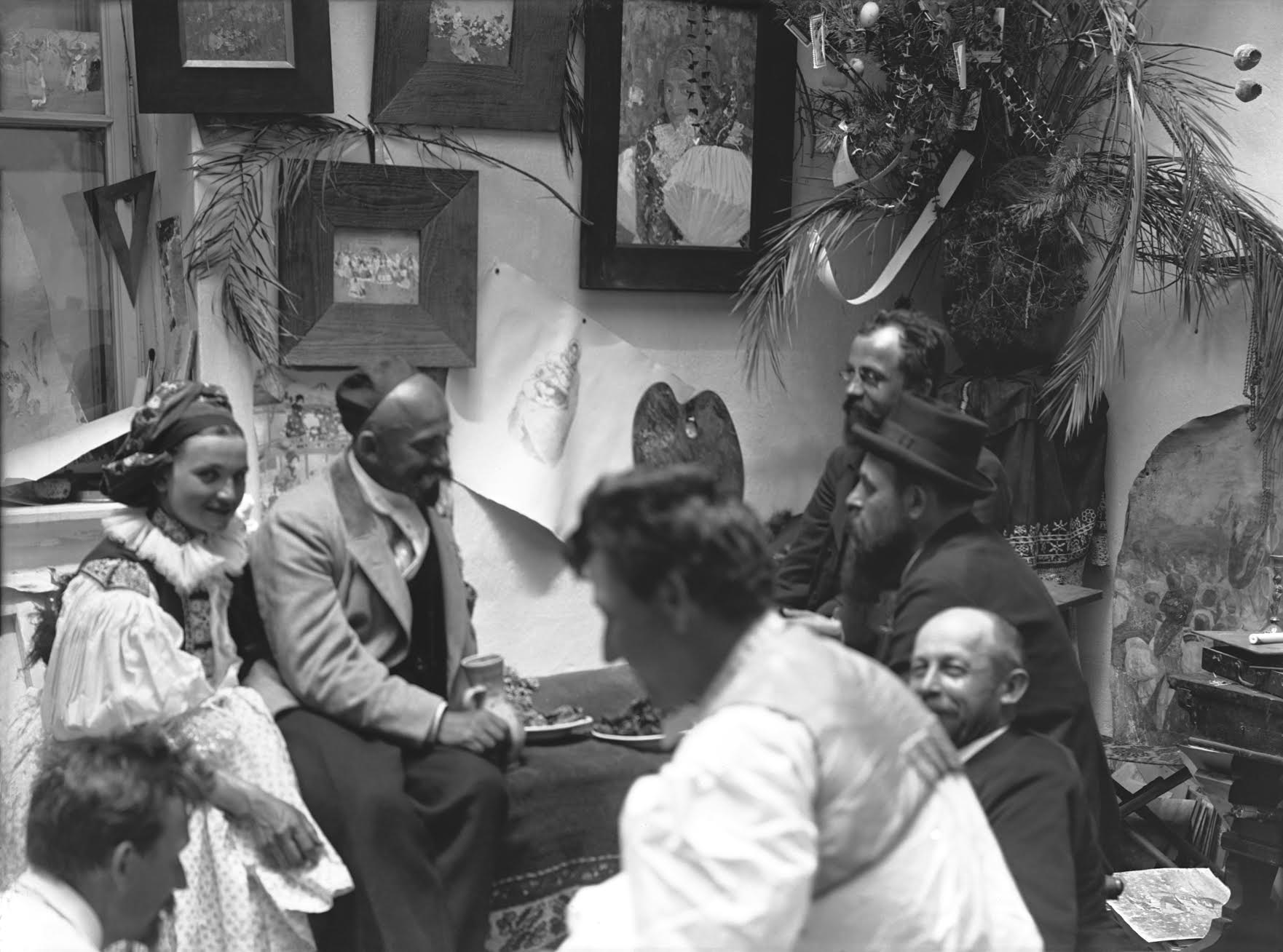
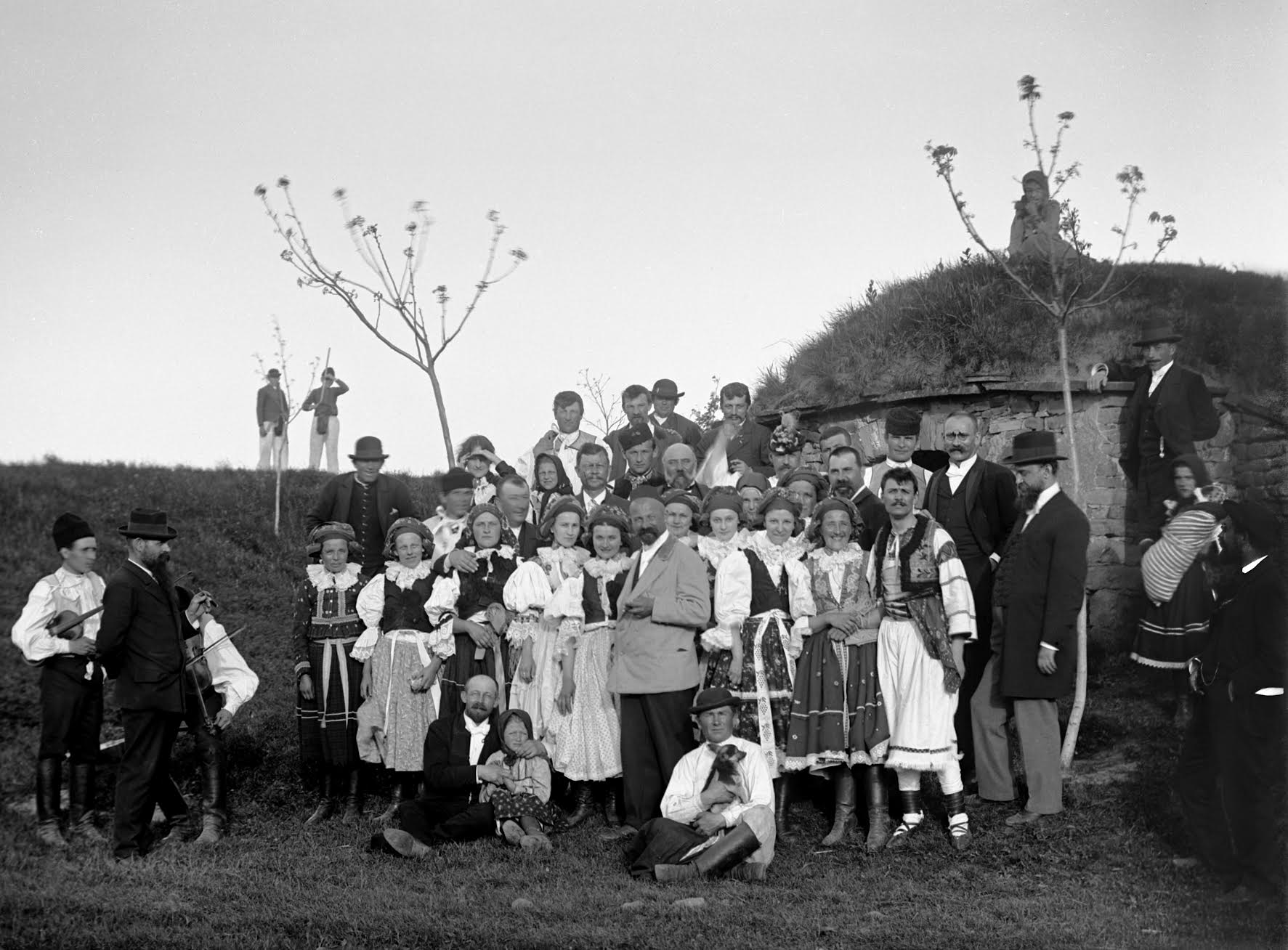
Near his native Kněždub, in Hroznova Lhota, Uprka bought a cellar with a small plot of land, on which he built a house and studio in 1898. After the birth of his first son Jožka, born February 19, 1899 and died in 1913, Uprka married his mother, folk painter Anežka Králíková from Svatobořice, on May 15, 1899.
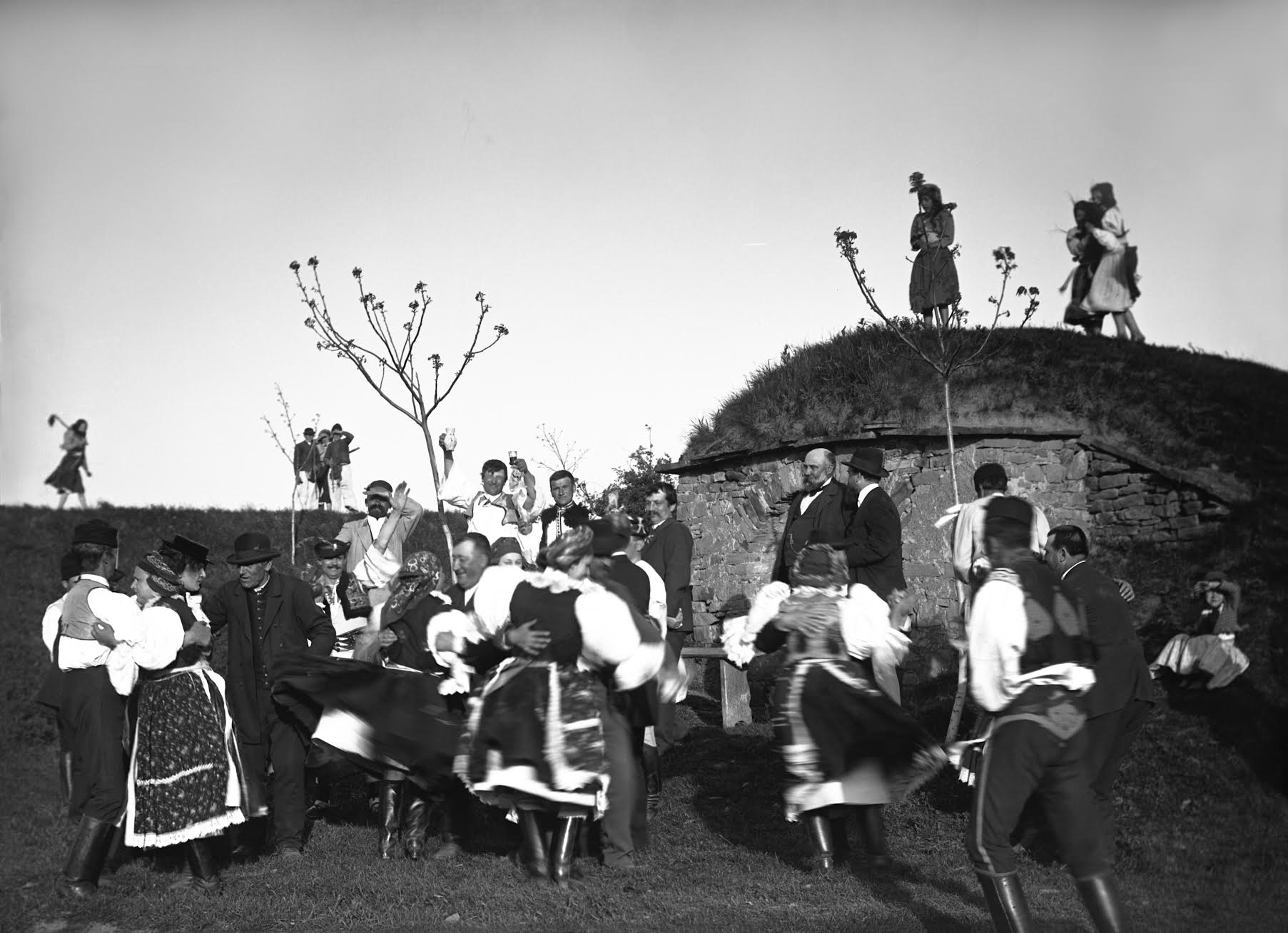
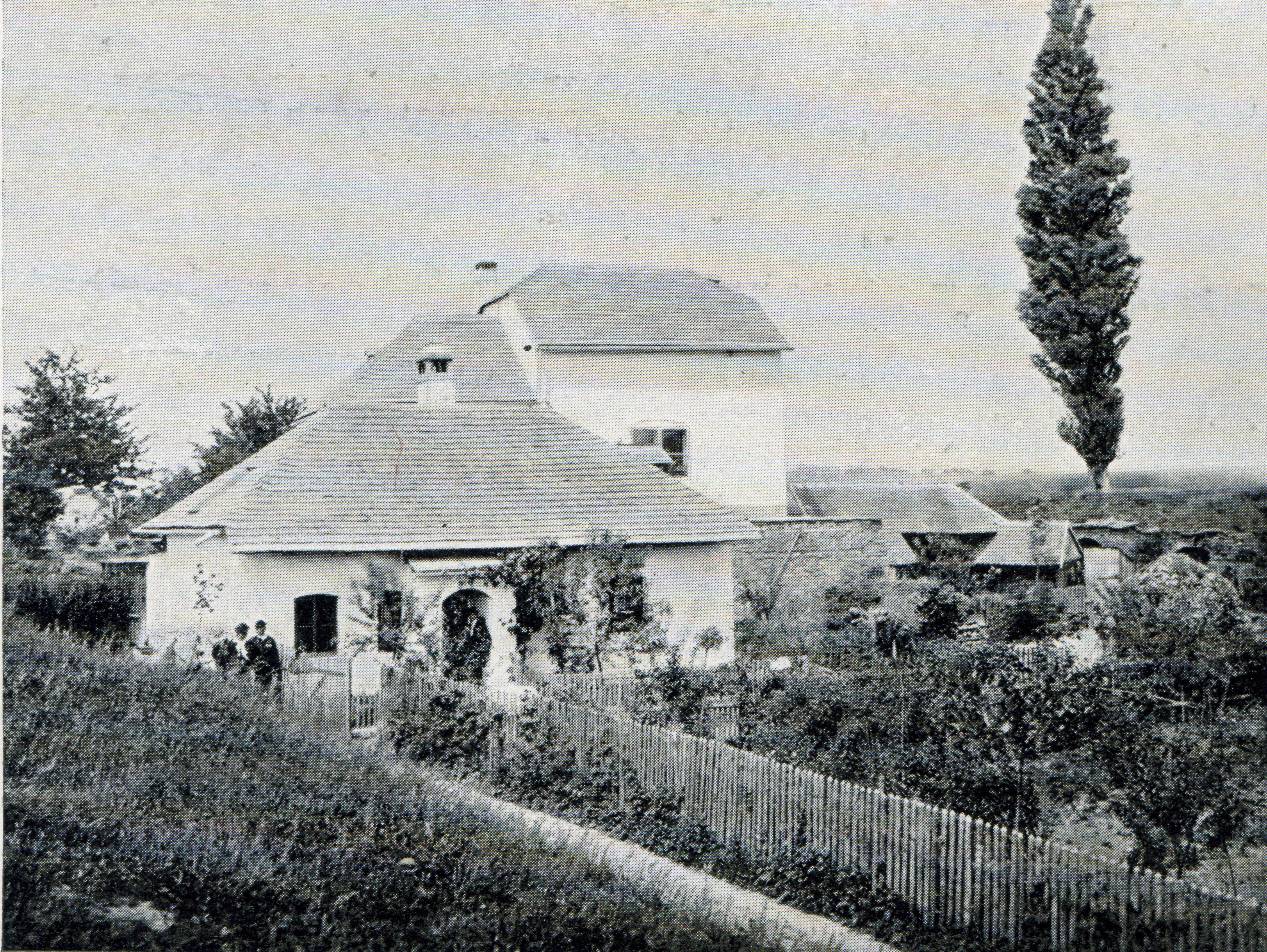
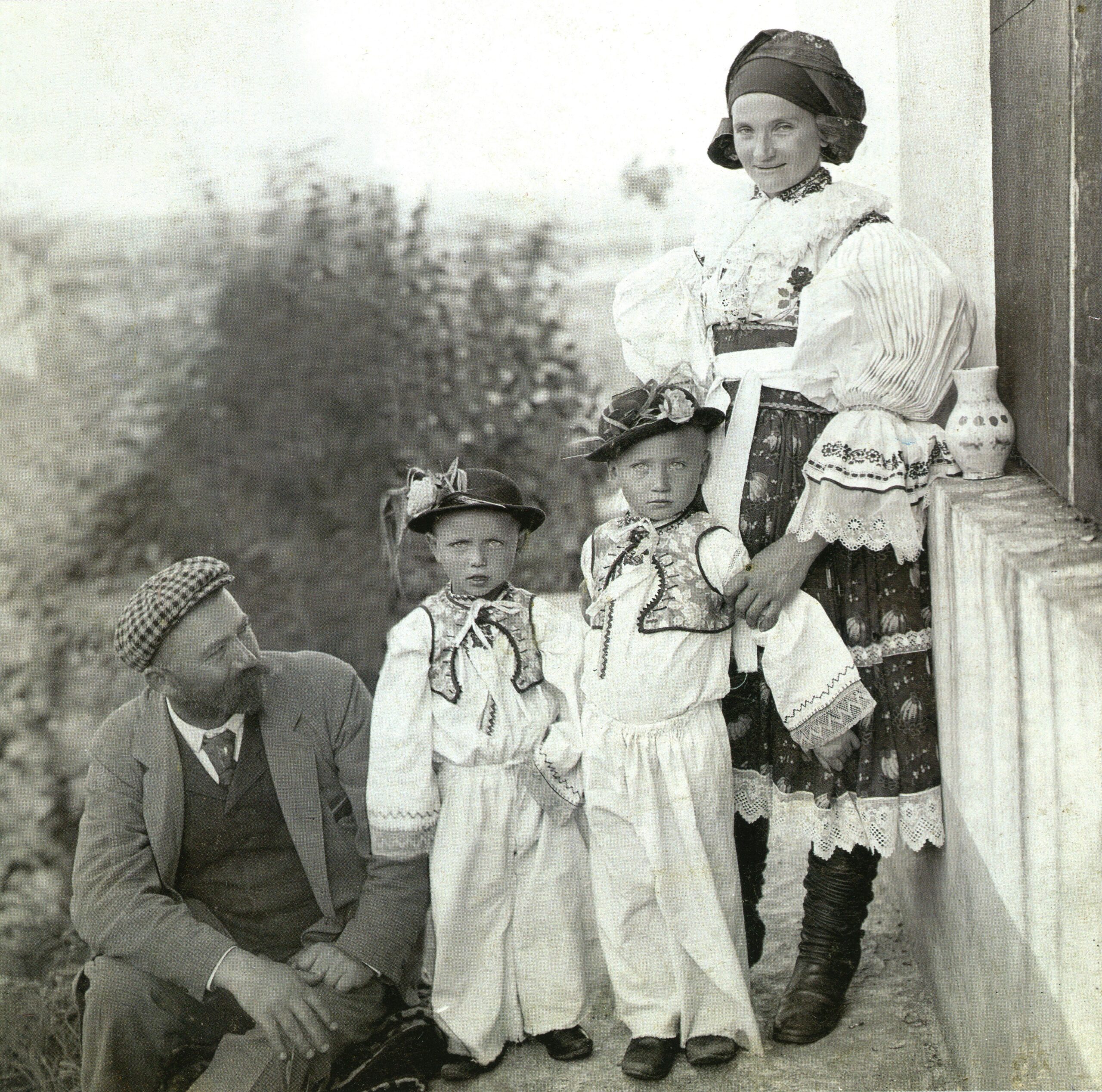
Click the image to view enlarged version.
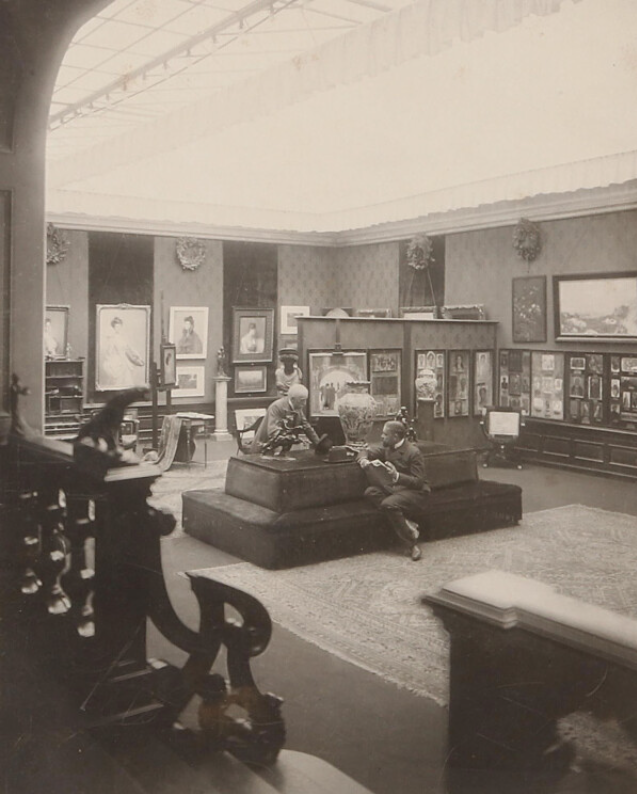
1902
Rodin Visit
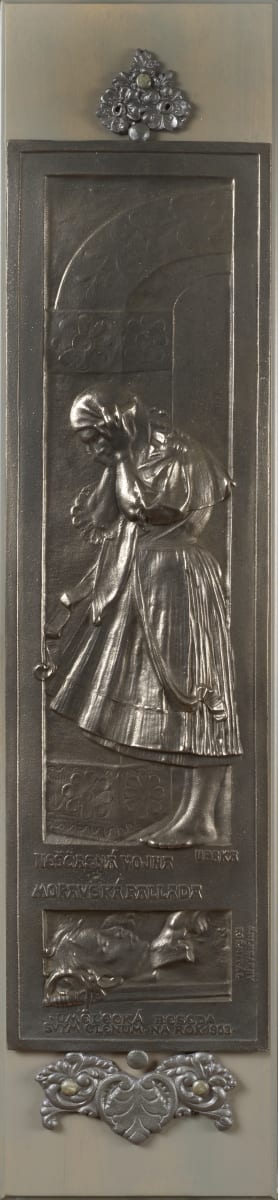
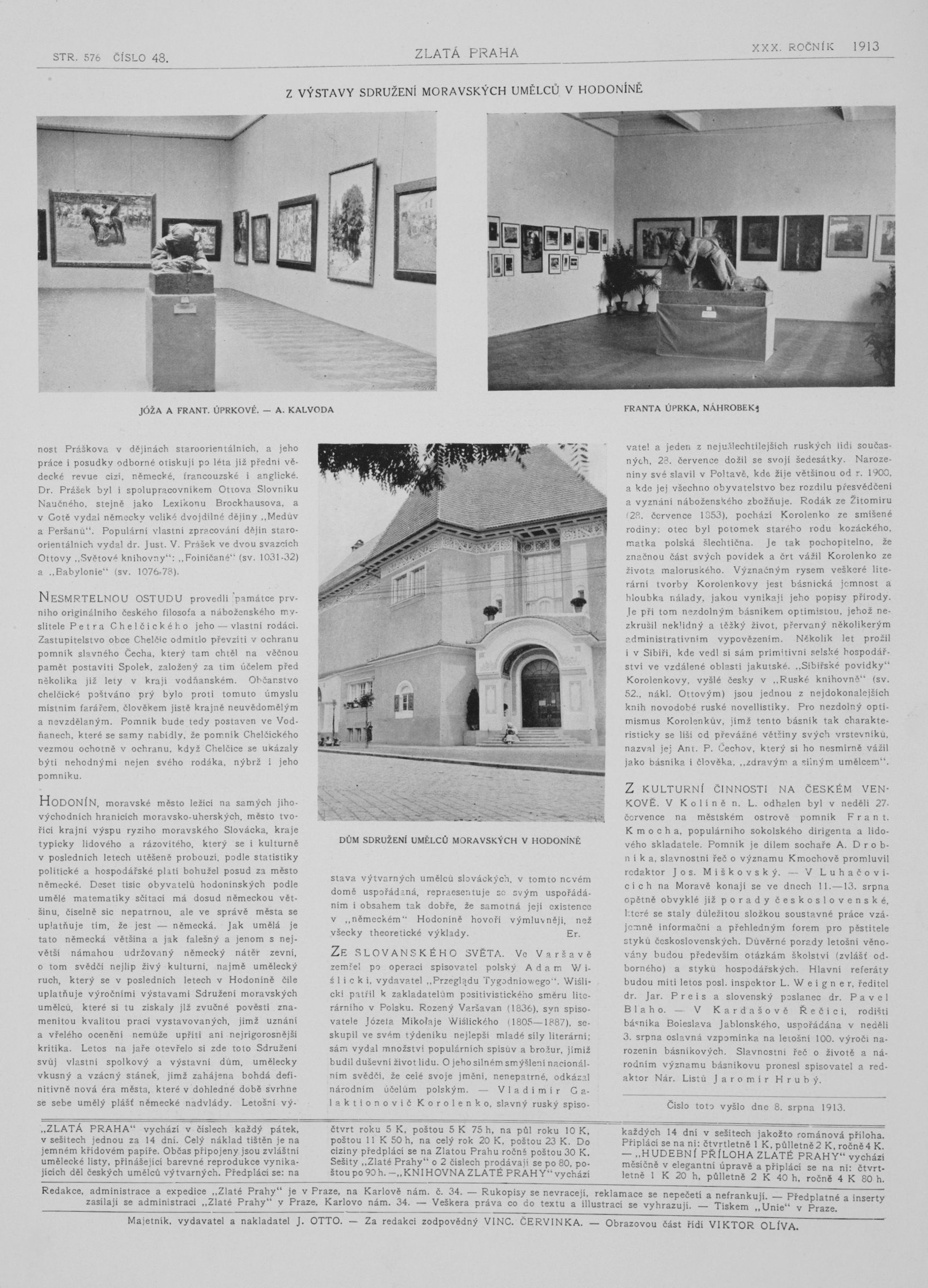
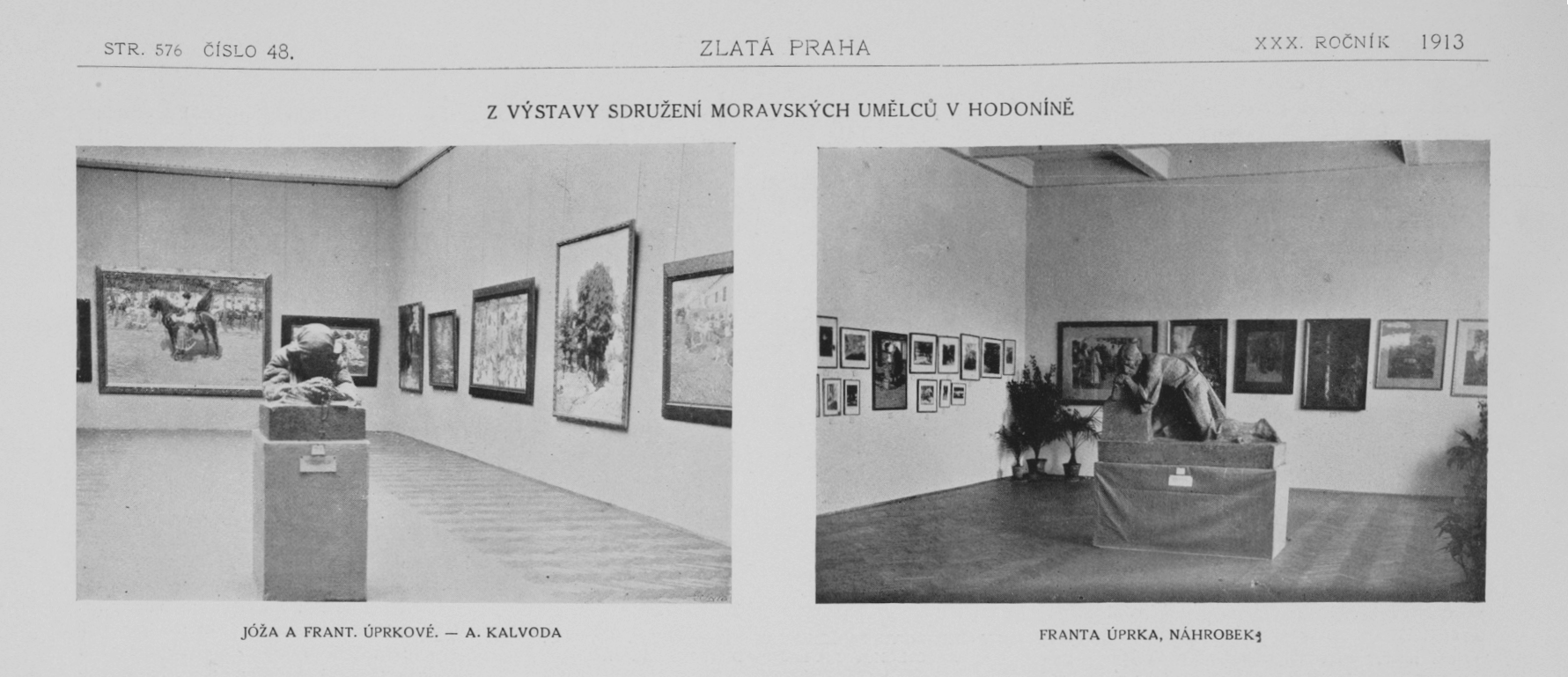
In 1902, Uprka organized the first joint exhibition of Moravian and Slovak artists in Hodonín, which was also viewed by the renowned French sculptor Auguste Rodin during his visit to Bohemia and Moravia. Accompanied by Alfons Mucha, he then visited Uprka in his studio in Hroznová Lhota. Uprka joined the most progressive art association in Bohemia – the Mánes Association of Fine Artists. with whom he had previously exhibited at their member exhibitions in Prague and abroad. A daughter, Božena, was born (18.6.1902), who later dedicated most of her life to caring for the legacy of Uprka’s portfolio.
Click the image to view enlarged version.
1904
January-February
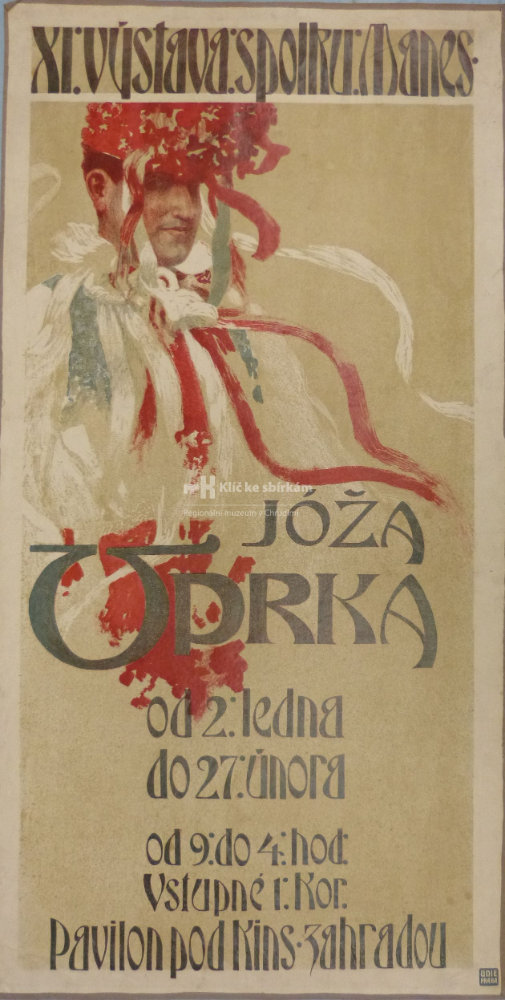
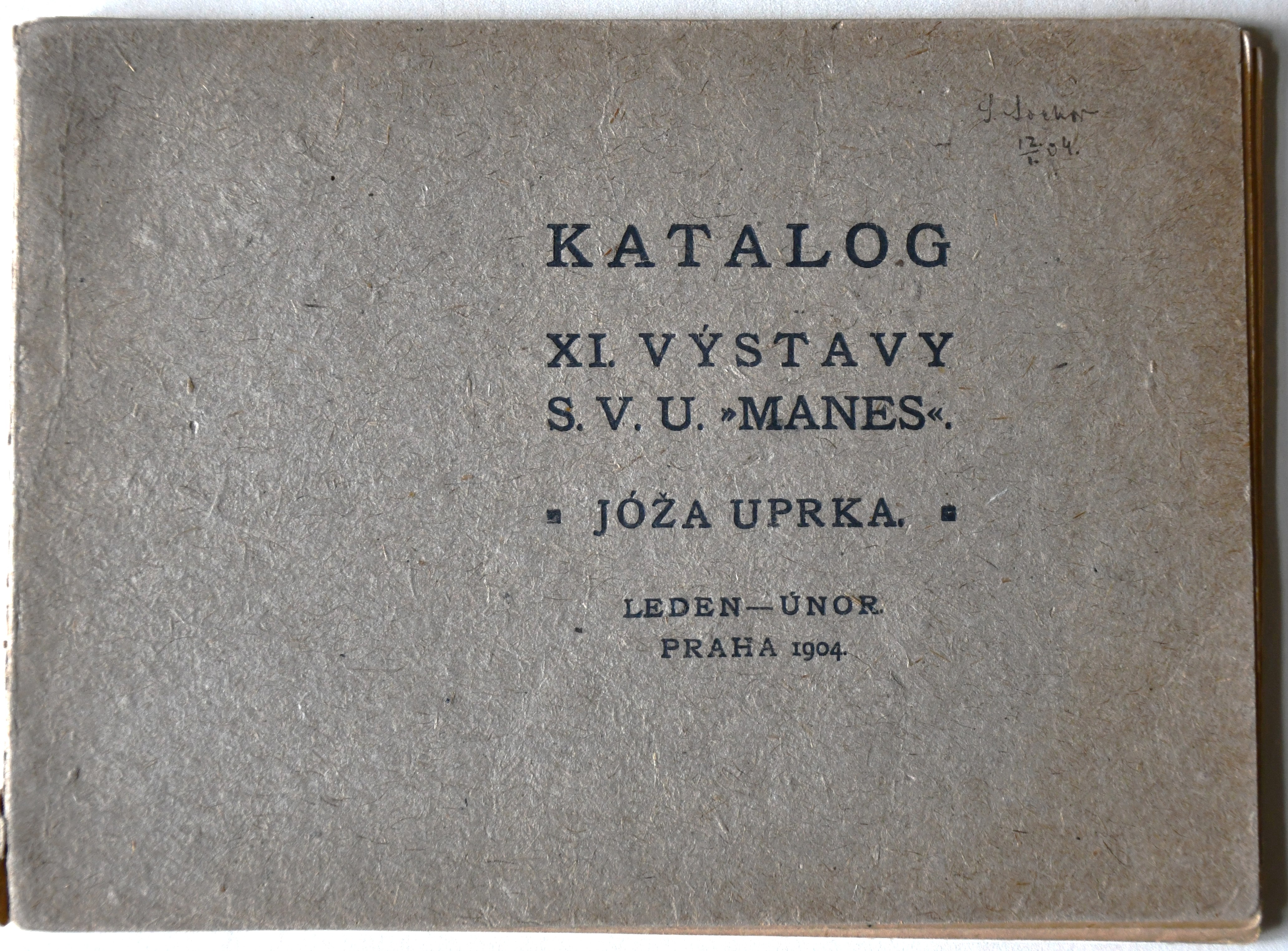
Jóža Uprka, solo exhibition within the framework of the XI. member exhibition of the SVU Mánes, Pavilion under the Kinského garden, Prague
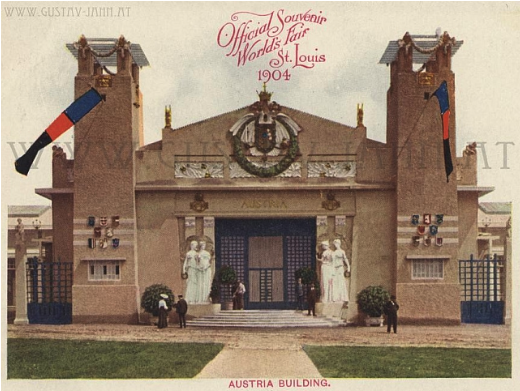
Louisiana Purchase Exposition, informally known as the St. Louis World’s Fair (Czech art exhibition in the Austrian pavilion)
Uprka’s wife began to develop a mental illness and in 1905 she was placed in a psychiatric hospital in Kroměříž, where she remained until her death in 1959.
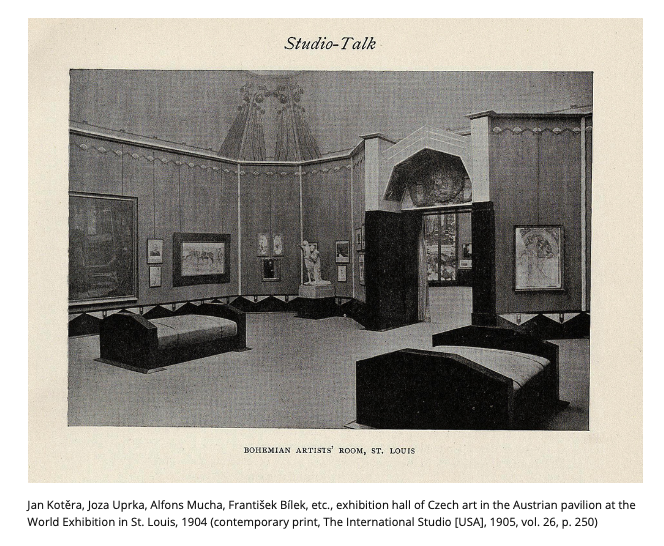
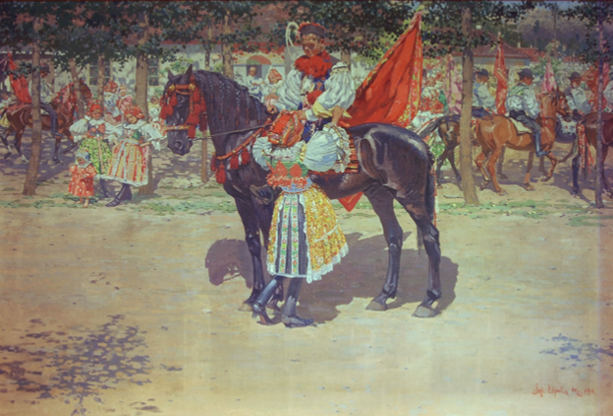
Click the image to view enlarged version.
1905
exhibition of his paintings
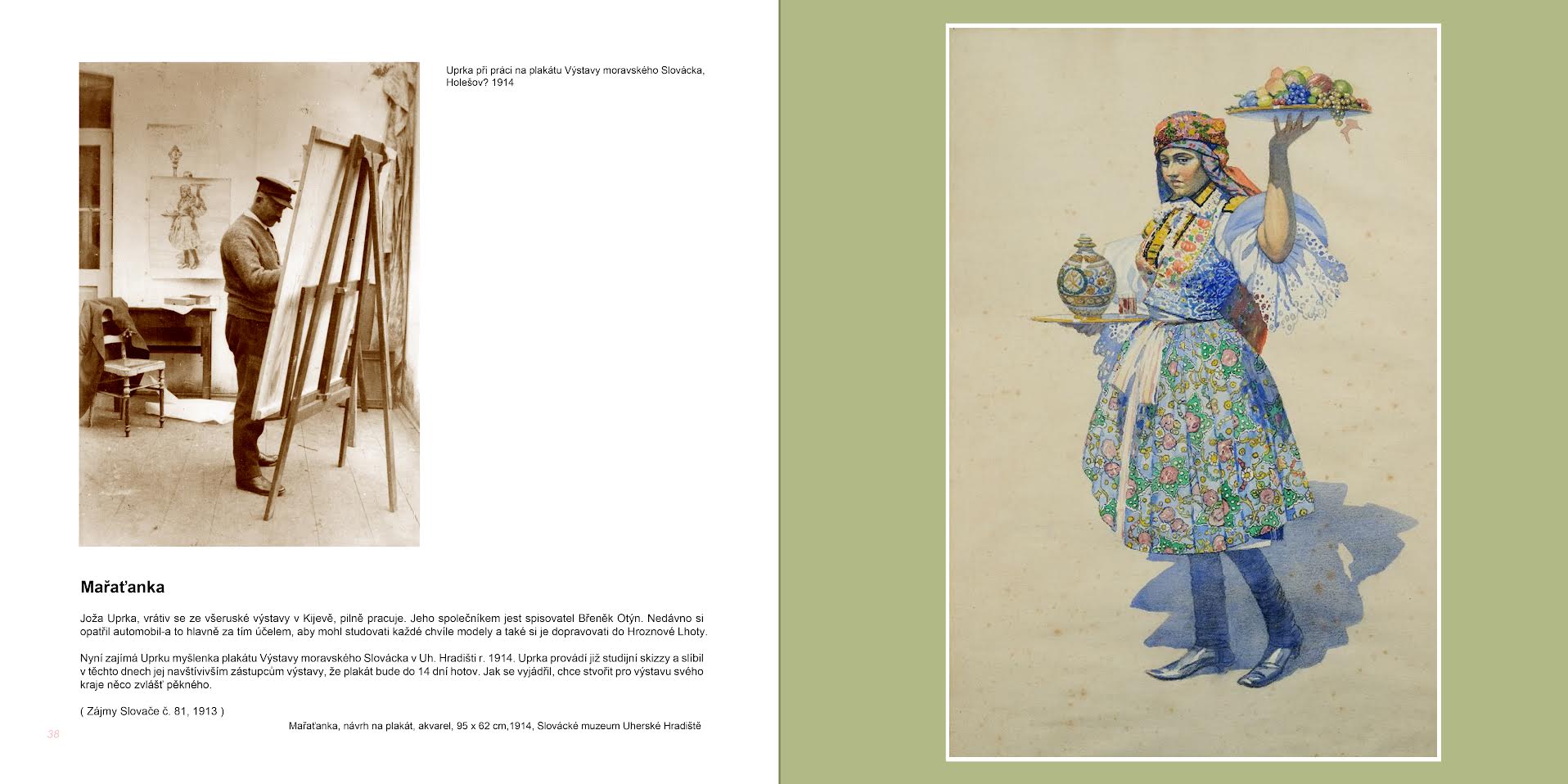
An exhibition of his paintings together with his brother Franta, Cyril Mandel and his own pupil Antoš Frolka in the recently rebuilt villa in Hroznova Lhota designed by architect Dušan Jurkovič.
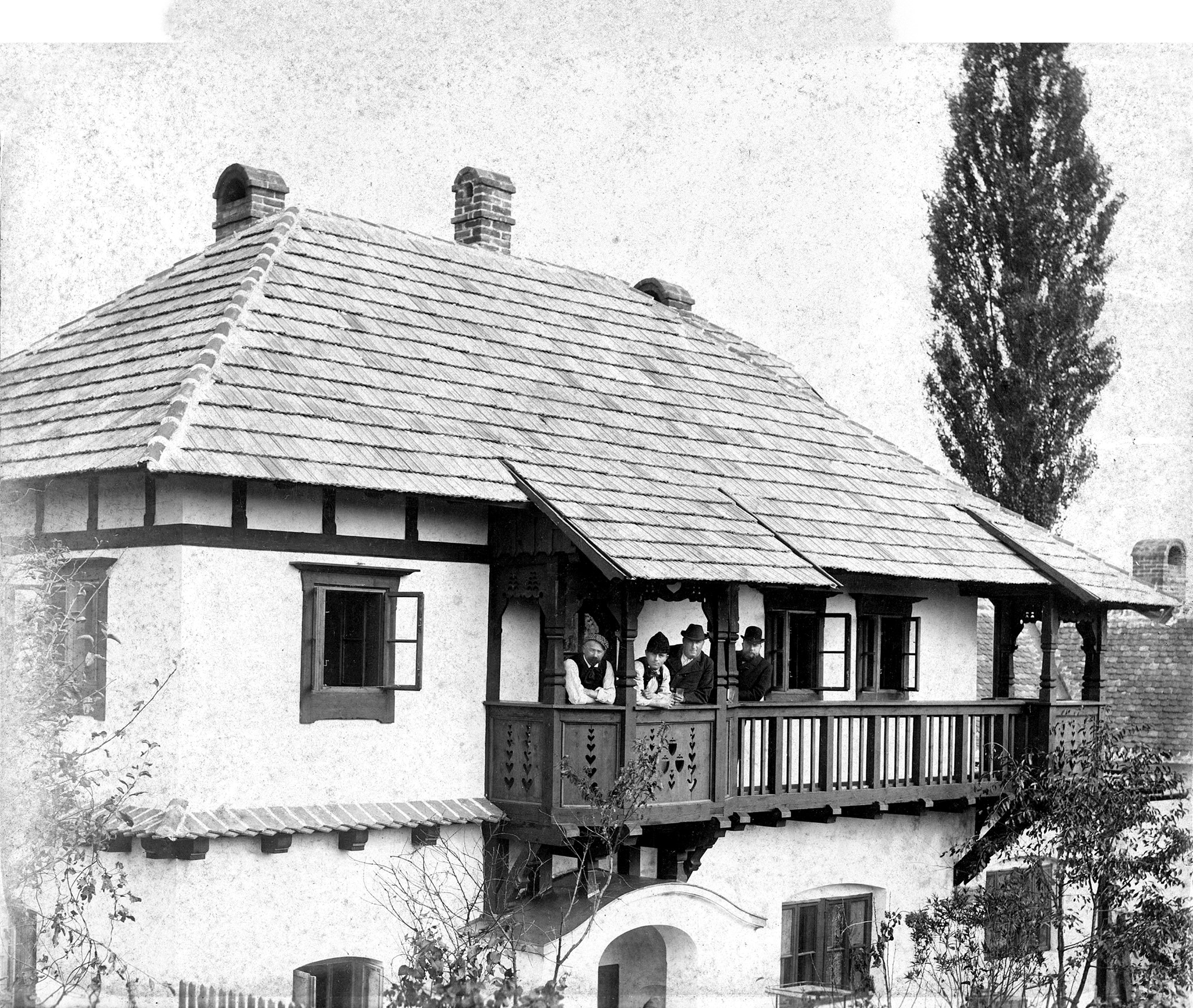
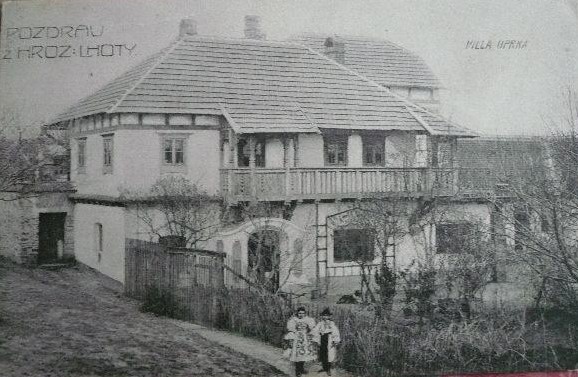
Click the image to view enlarged version.
1907
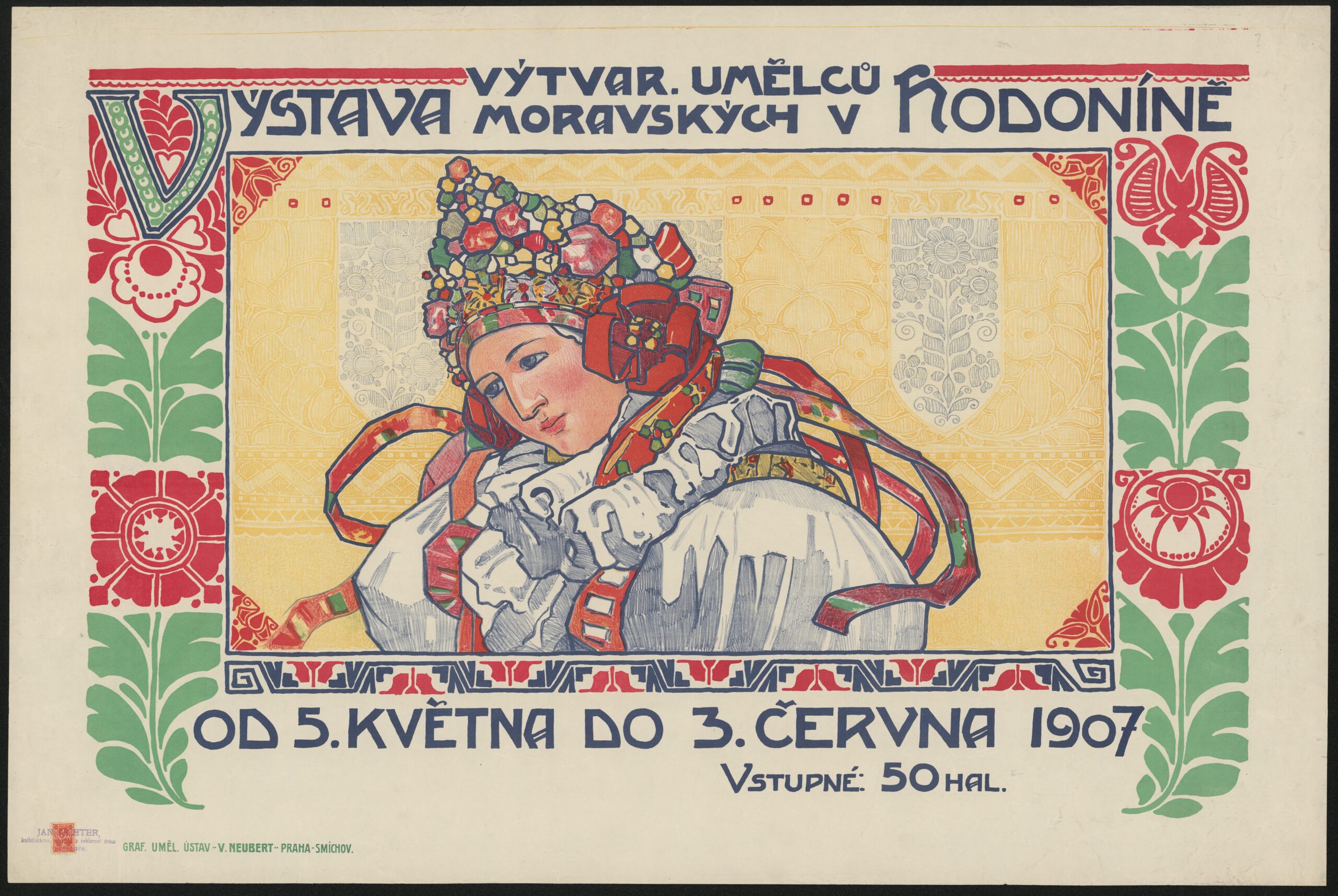
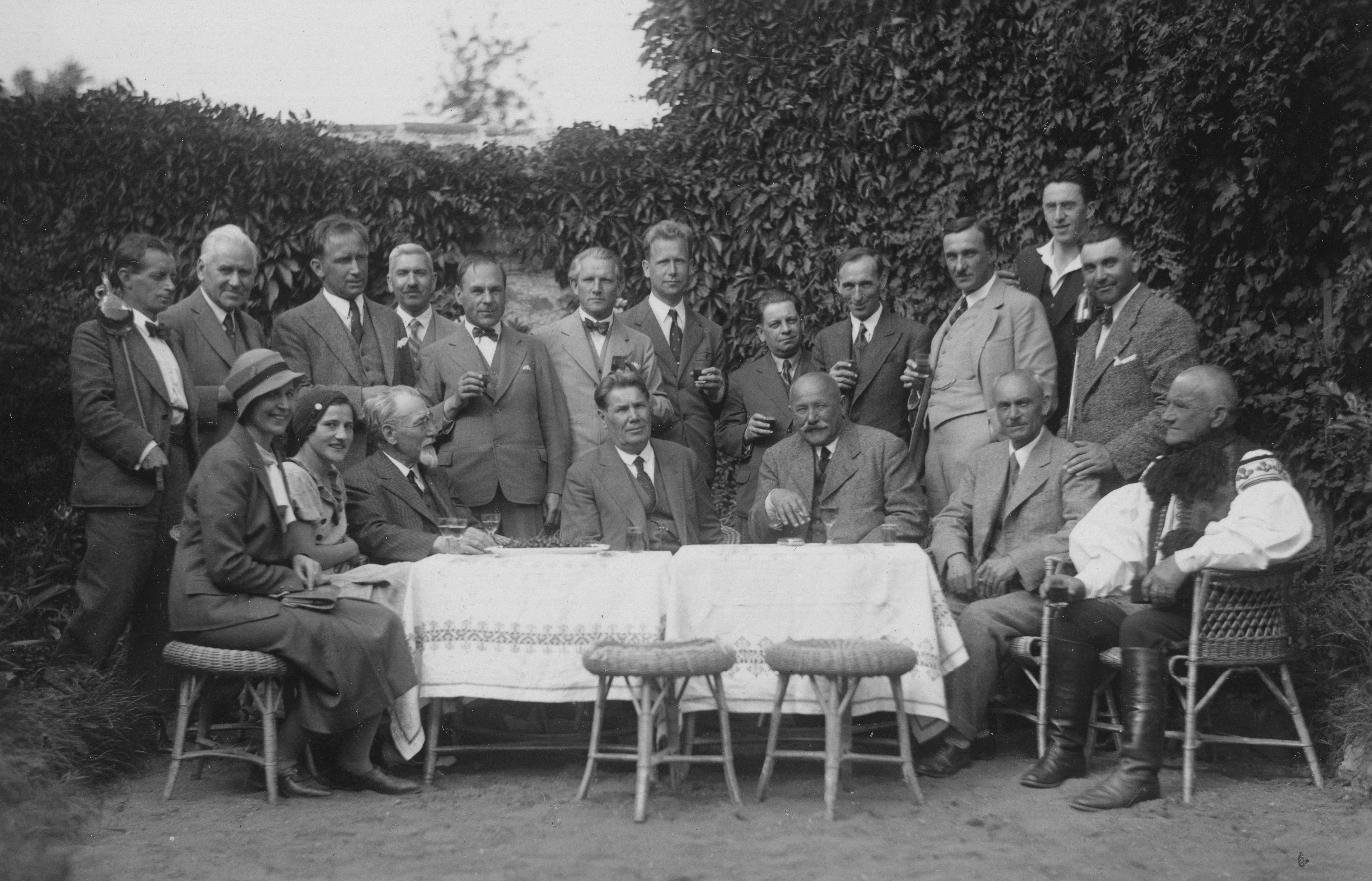
SVUM
Establishes the Association of Fine Artists of the Moravian Academy of Fine Arts (SVUM). The Association aimed to awaken artistic life in Moravia and promote folk art in its original form. Alfons Mucha, who was living in America at the time, also joined the association’s activities. Uprka was its chairman until 1918, when he resigned.
Click the image to view enlarged version.
1910-1911
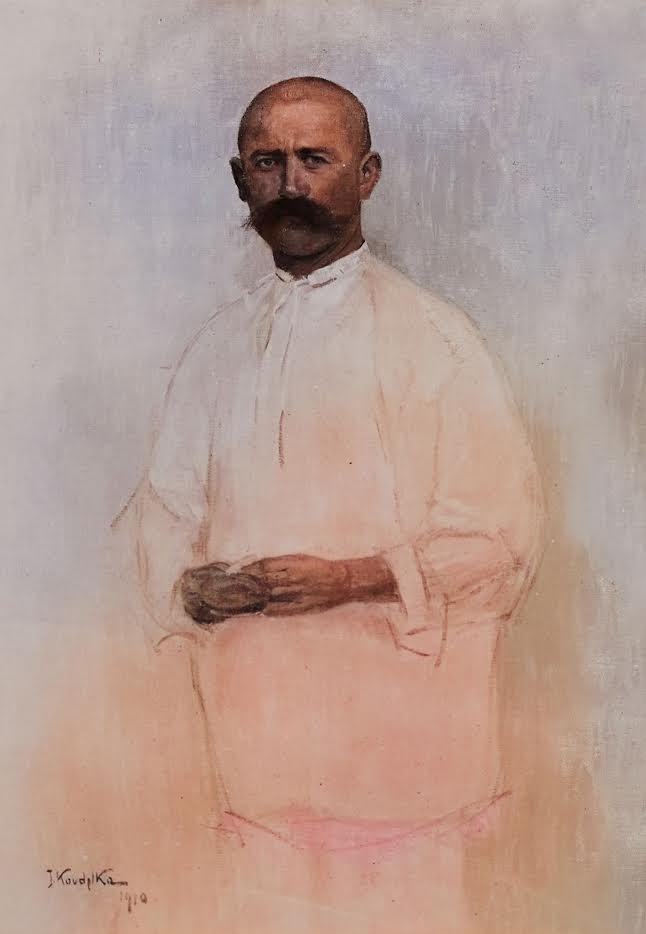
Exhibition of Slovak Art, The Doré Galleries, London.
March 14th- April 22th . – Exhibition of Slovak Art, The Doré Galleries, London. The exhibition and its promotion were assisted by British publicist and historian Robert William Seton-Watson, who, among other things, also dealt with the history of Slavic nations, and whose work ultimately and significantly contributed to the creation of an independent Czechoslovakia.
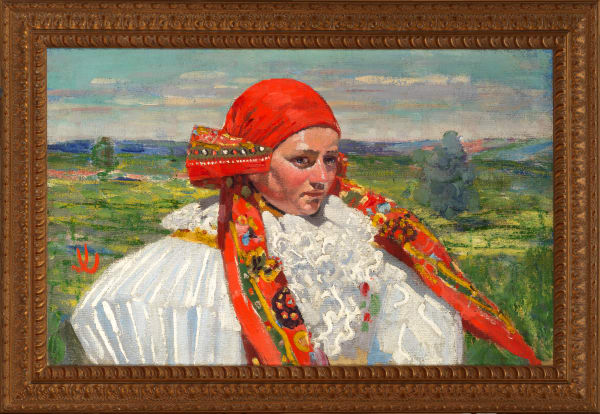
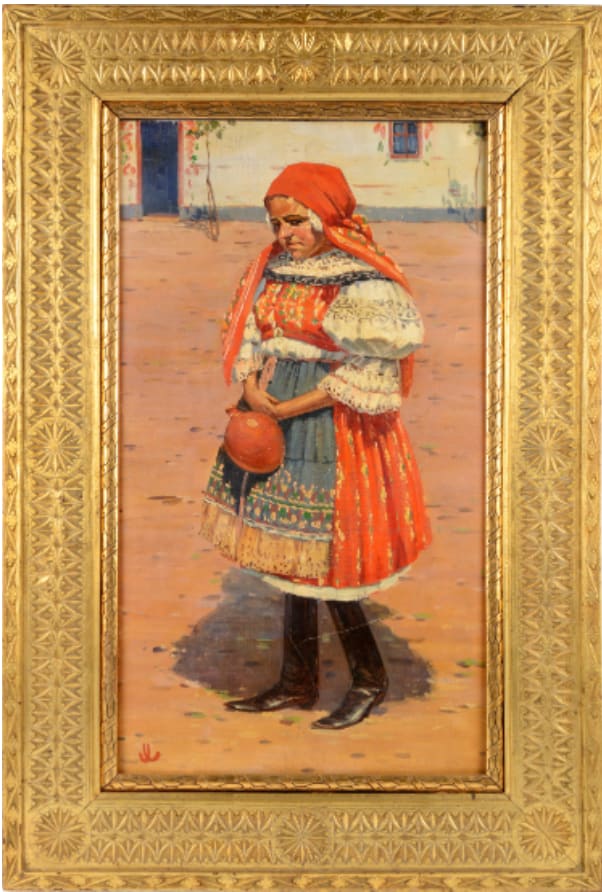
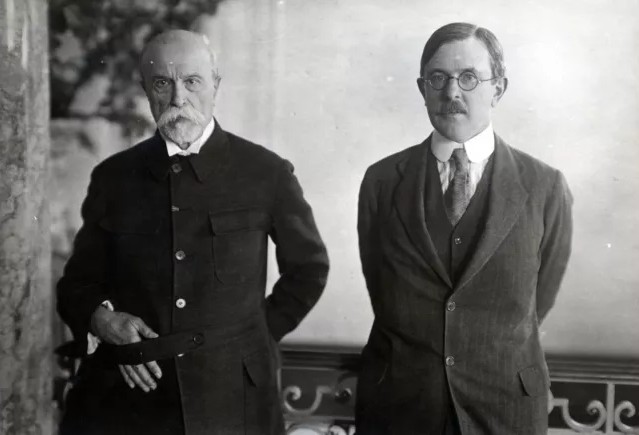
Click the image to view enlarged version.
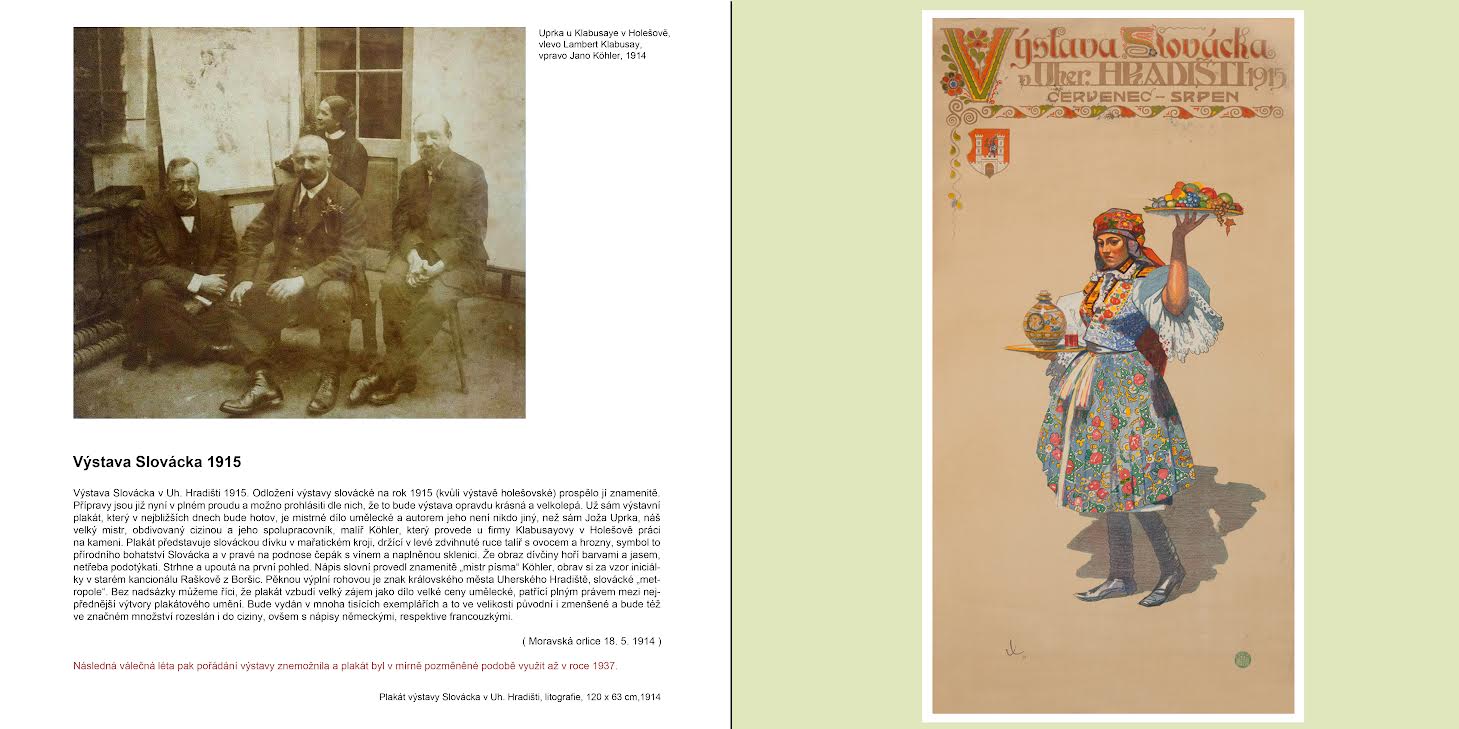
1921-1924
Slovakia
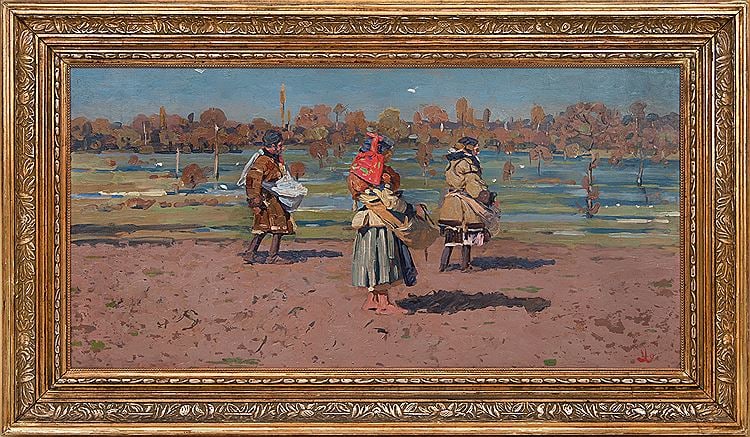
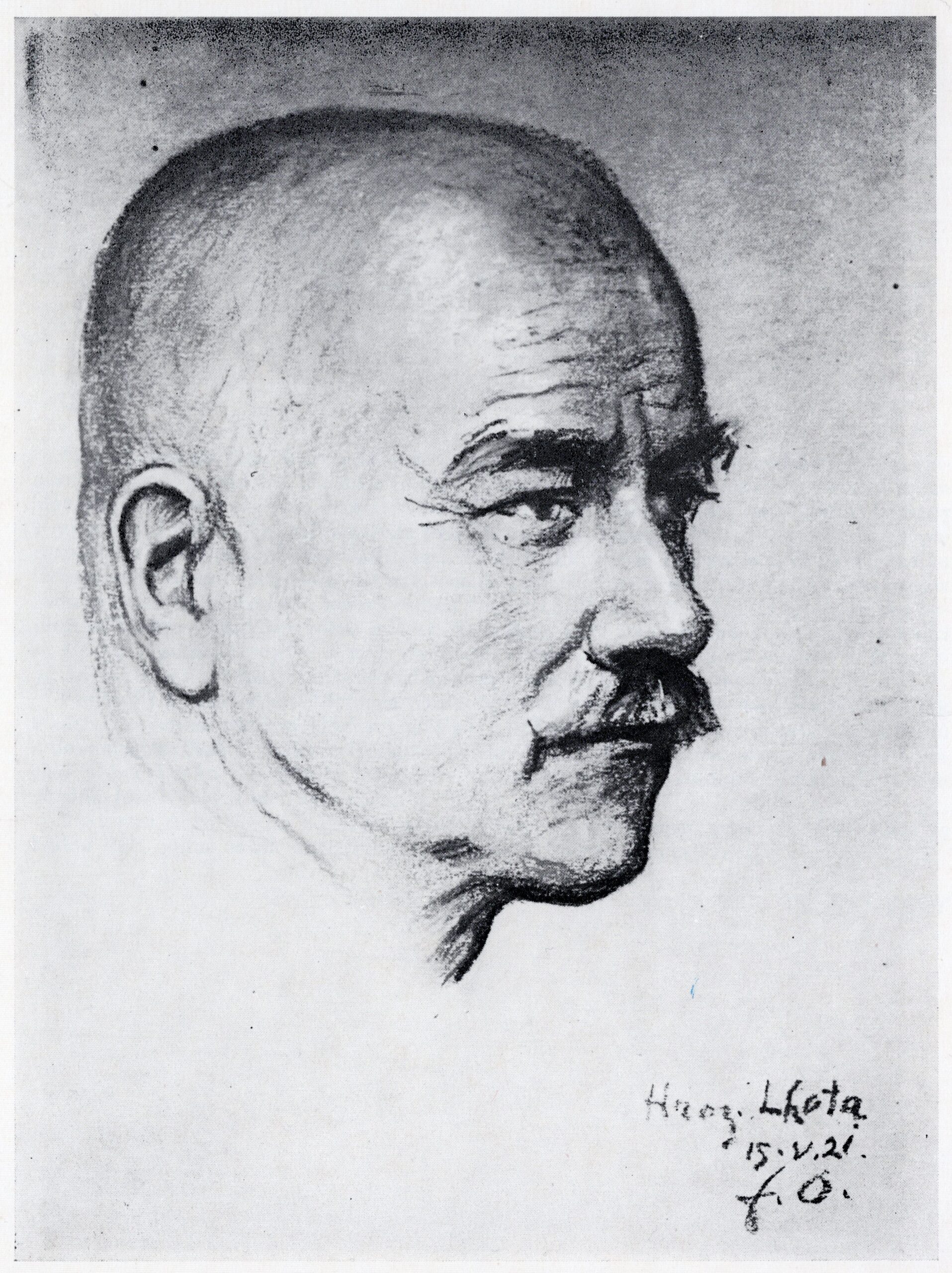
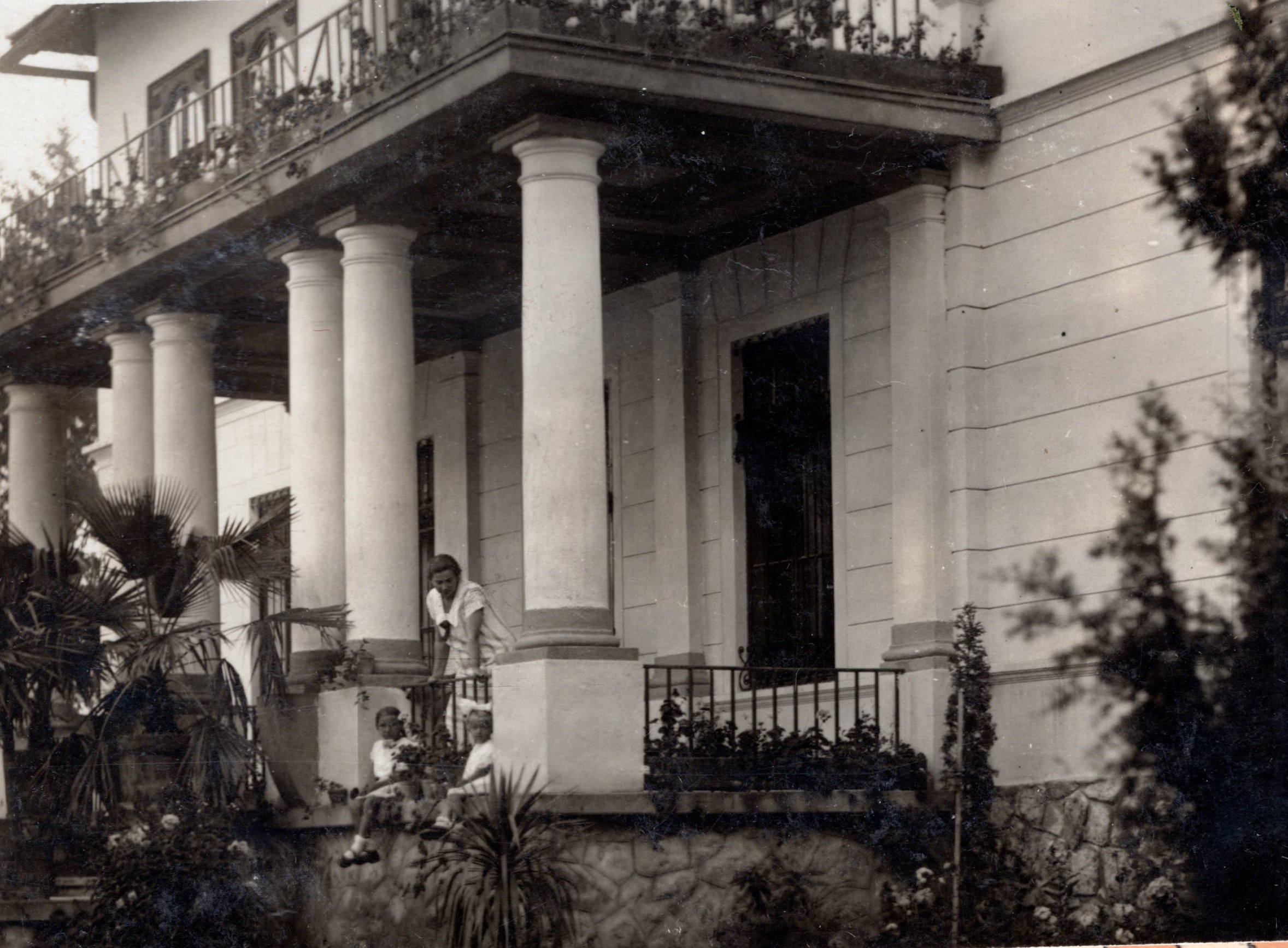
He leaves for Slovakia, where he buys a summer residence from the widow of the Hungarian minister Gabor Barros. In Klobušice near Ilava, he lived in his own chateau with a studio until 1937, where he sought new inspiration in the Slovak countryside. The environment and the more subdued colors of Slovak folk costumes led to a transformation of Uprka’s palette.
Click the image to view enlarged version.
1925
Saint Anthony’s Pilgrimage
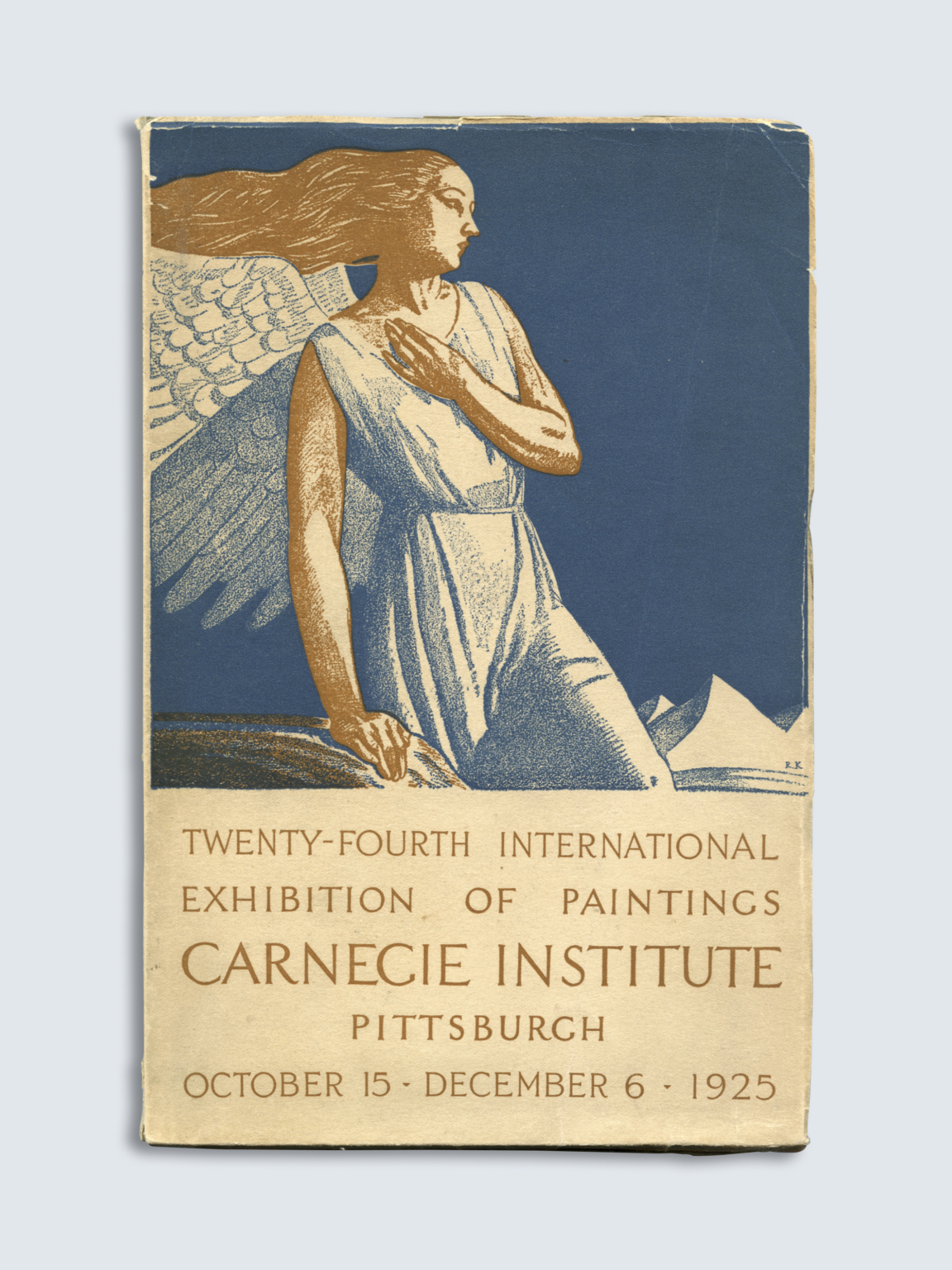
In 1925, he painted his last larger composition on the theme of Saint Anthony’s Pilgrimage, which was then exhibited in 24th International Exhibition of Paintings, October 15th – December 6th, 1925 in Pittsburgh
Click the image to view enlarged version.
1937
Returns to Hroznová Lhota
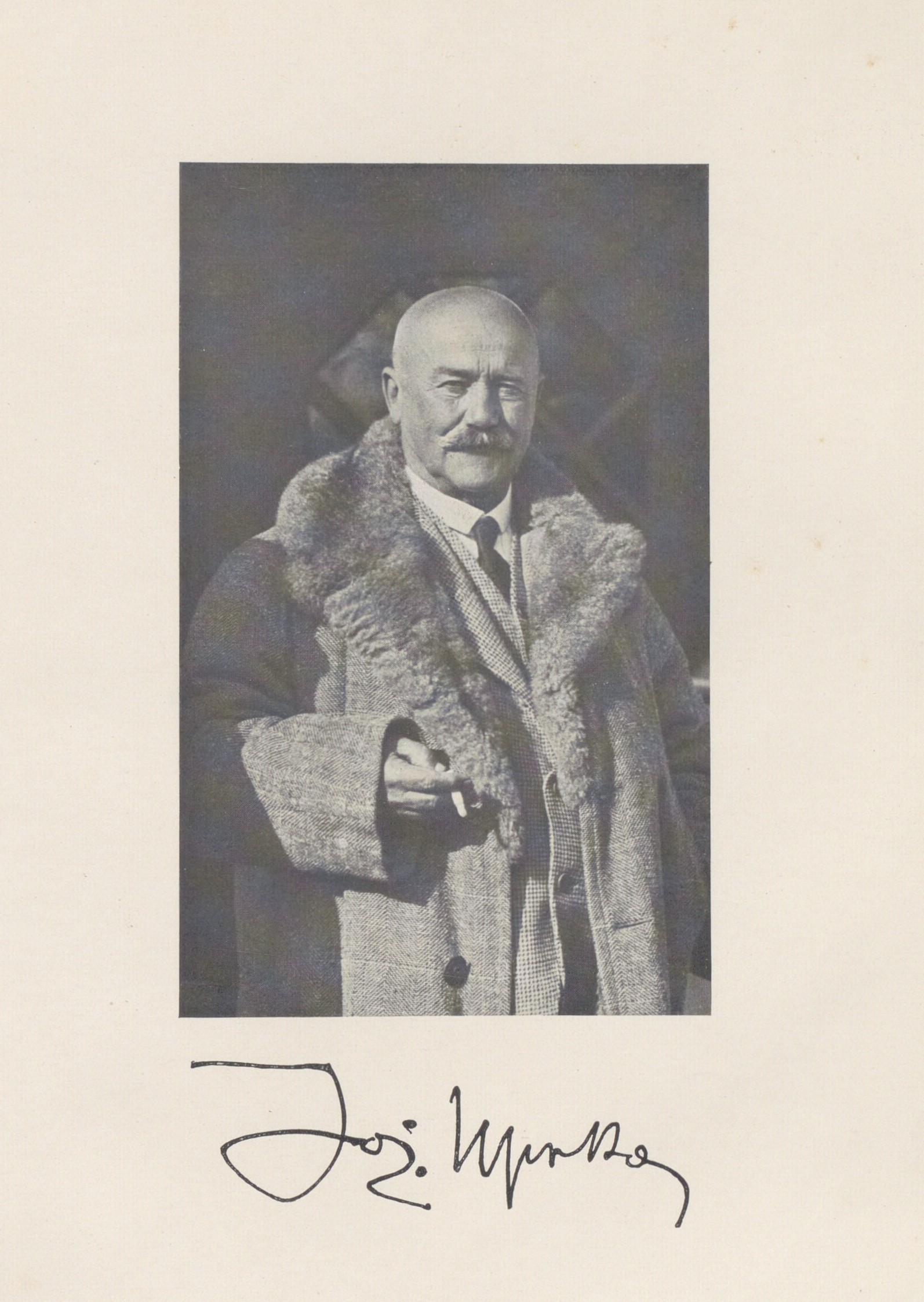
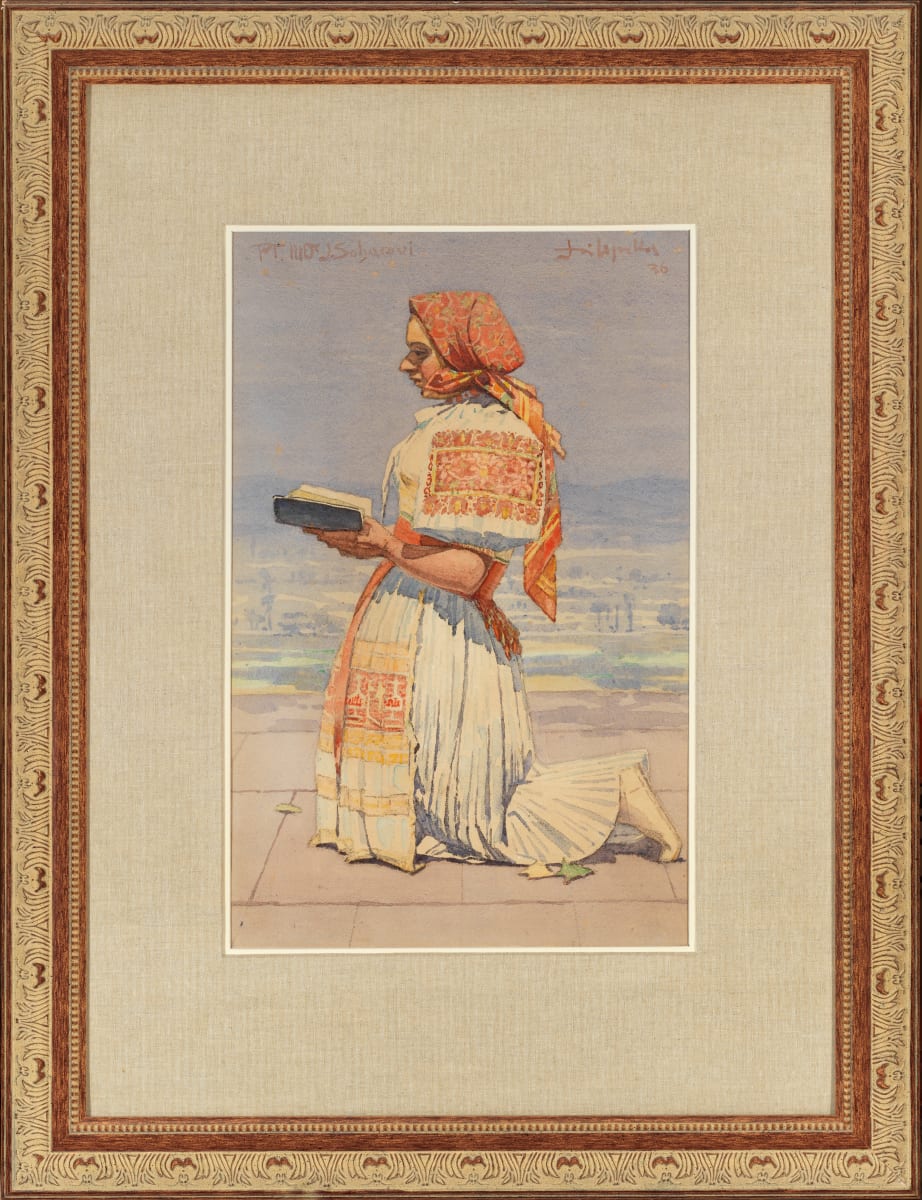
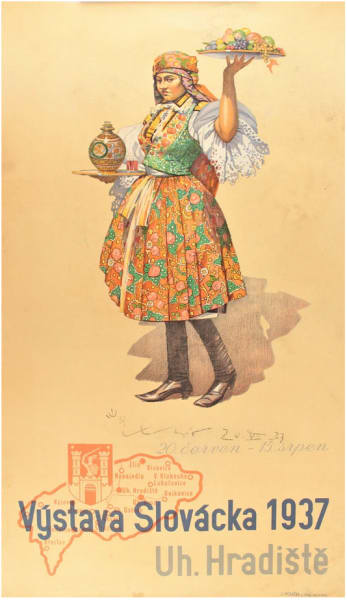
He sells the estate Klobušice and returns to Hroznová Lhota. His declining health begins to manifest itself, which worsens significantly in the following year, making it impossible for him to continue creating. His paintings are presented as part of the Slovak Region Exhibition in Uherské Hradiště, which President Beneš and his wife will visit during their short stay.
Click the image to view enlarged version.
1960
100th Anniversary of this birth
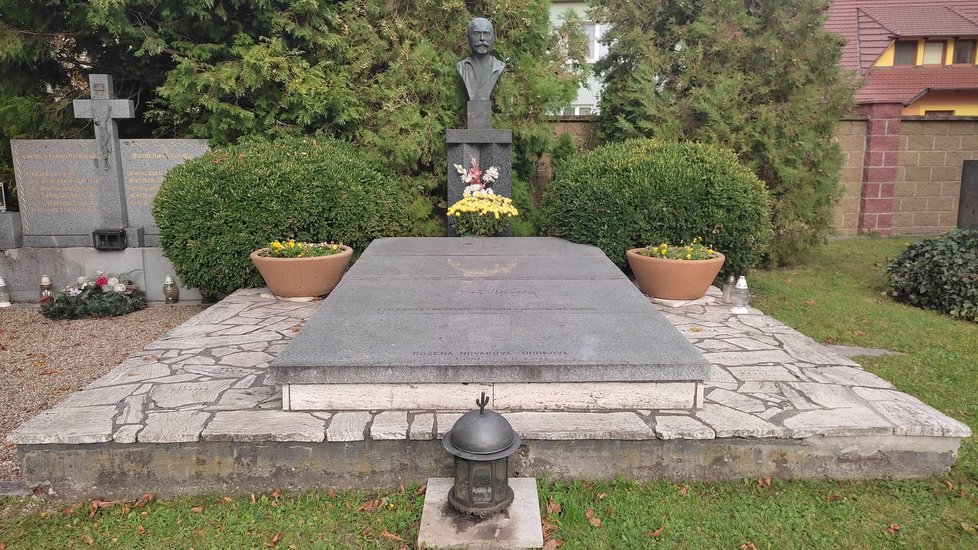
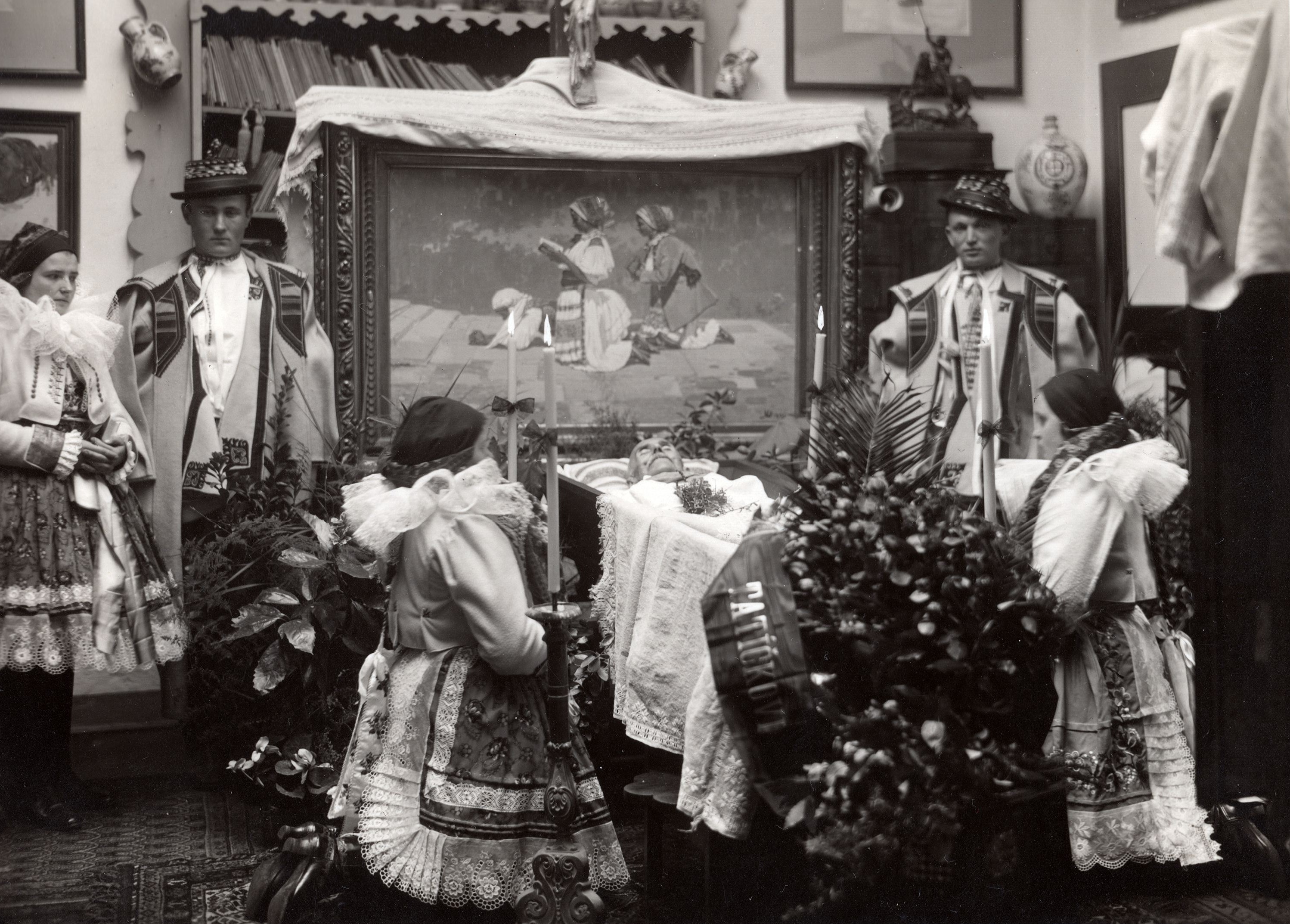
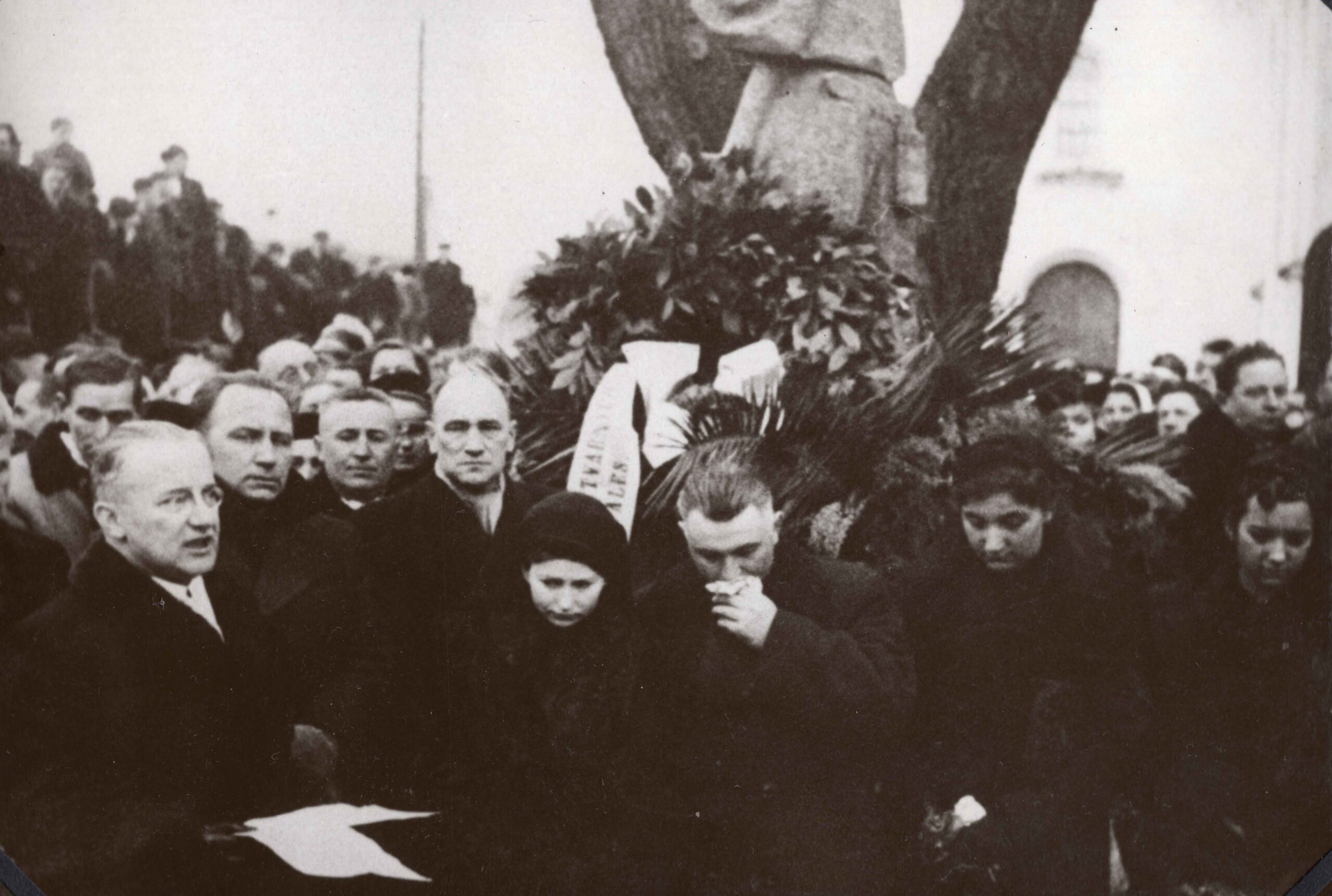
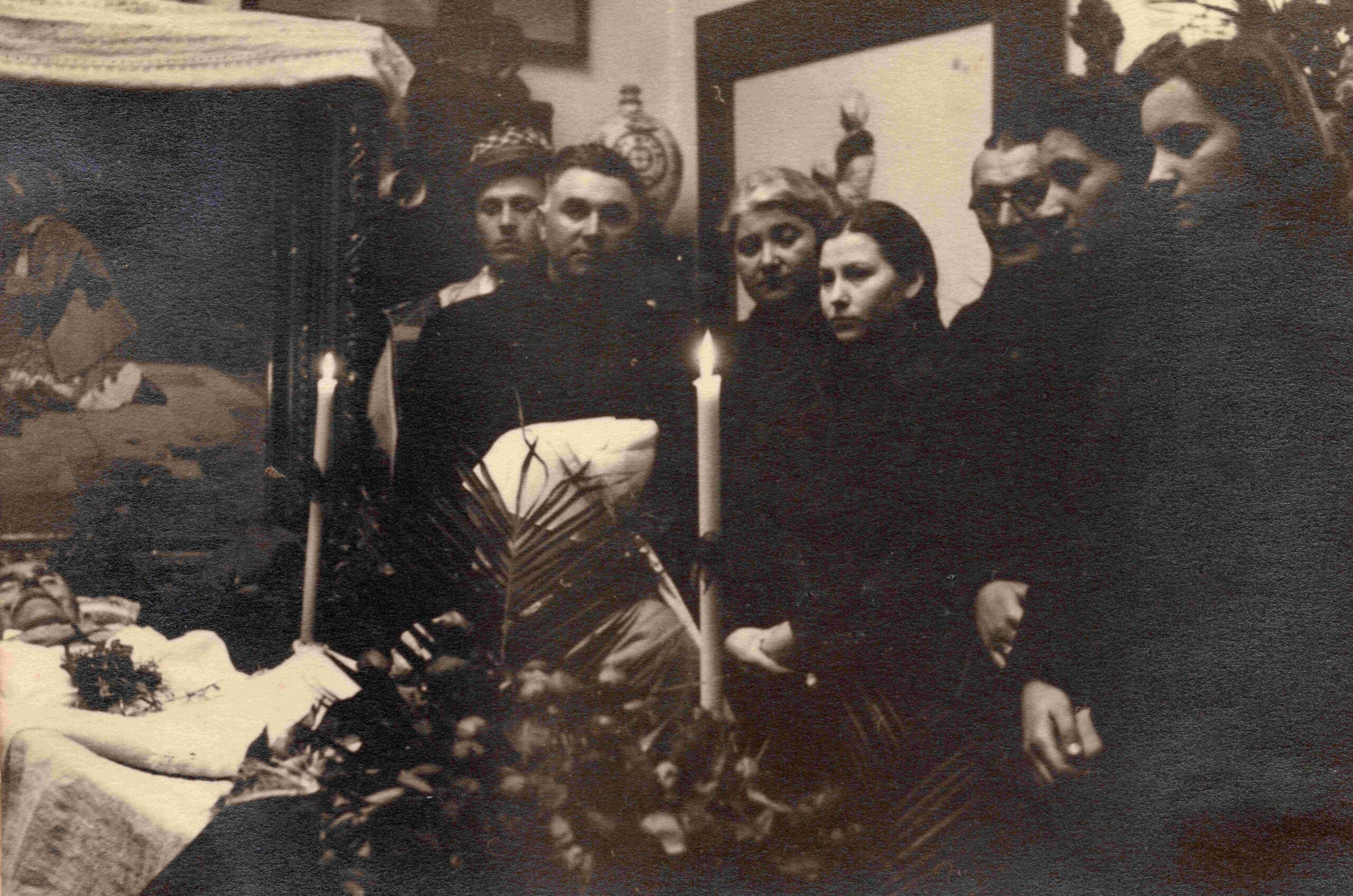
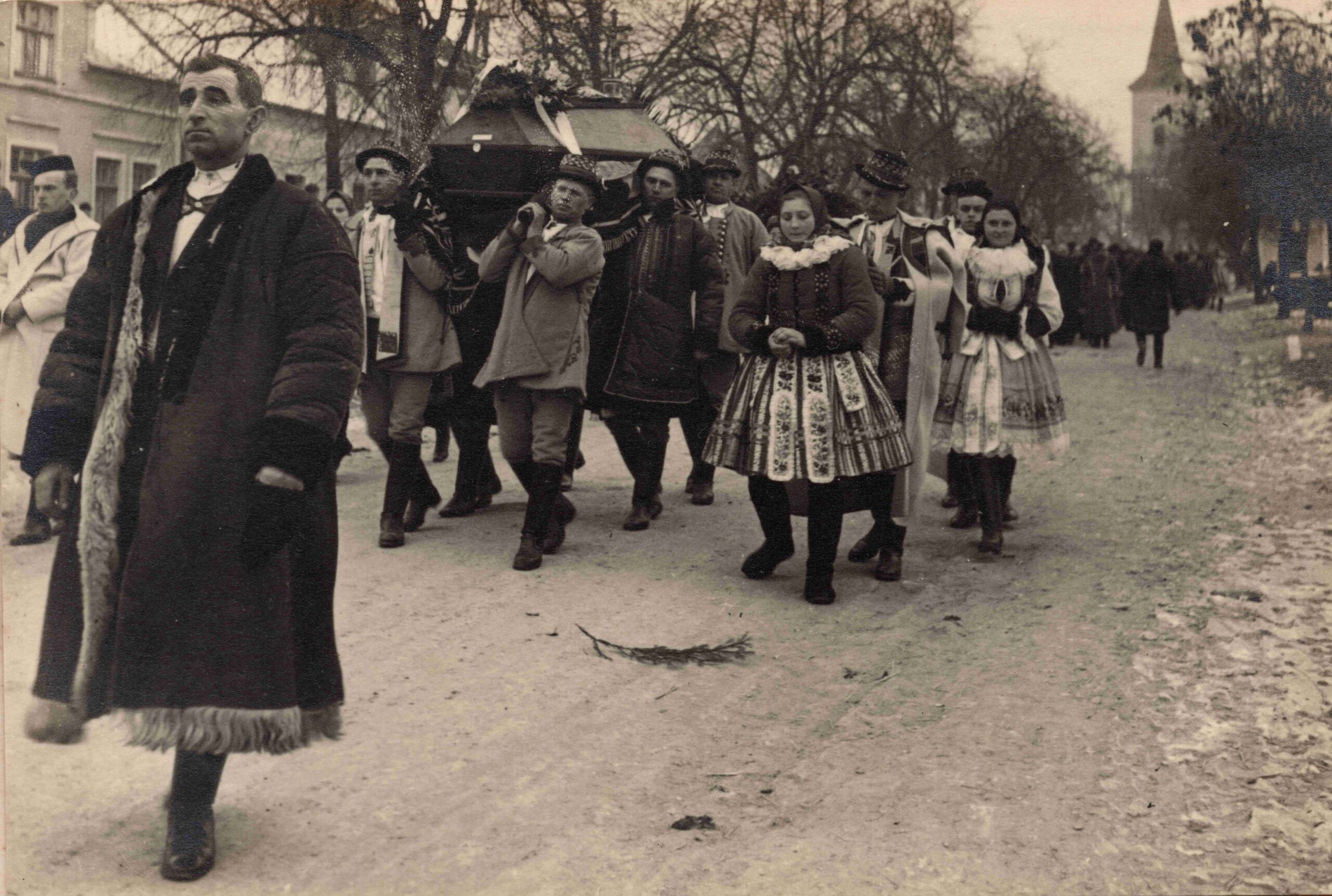
Buried next to Antoš Frolka and Franta Úprka in Kněždub at the Church St. John the Baptist.