
At Uprka in America, we often center Joža Uprka and his fellow Czech modernist artists within an American perspective. Despite this, his impact is felt most powerfully in the Czech Republic, a country that happens to rank among Europe’s most compelling travel destinations. If you’re planning a trip to the Czech Republic this year, we’ve put together a curated list of must-visit sites that add insights into Uprka’s life and practice—whether your itinerary centers on major cities like Prague or Brno, or allows time to venture into Uprka’s native Moravia.
Joža Uprka Gallery, Uherské Hradiště
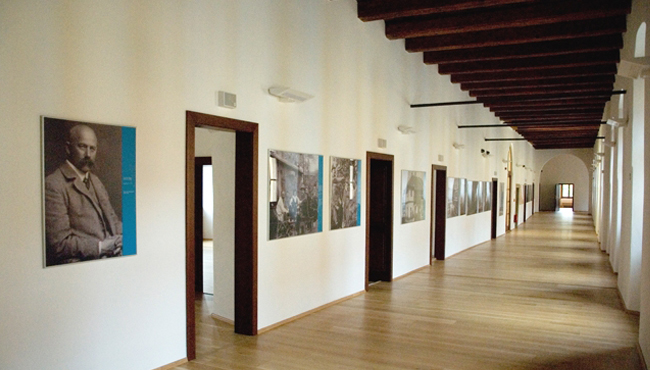
One of the most essential destinations for understanding Uprka’s legacy is the Joža Uprka Gallery in Uherské Hradiště. A substantial portion of the works on view come from the collection of the Moravian Slovácko Foundation, supplemented by loans from major Czech institutions including the National Gallery in Prague, the Moravian Gallery in Brno, and the Museum of Art in Olomouc. In short, it’s a one-stop destination for experiencing Uprka’s work in depth.
The exhibition presents Uprka’s paintings alongside sculptures by his brother, Franta Uprka, while large-format archival material and photographs displayed throughout the galleries trace the artist’s life chronologically, grounding his work in the cultural traditions of the Slovácko region.
Another section of the space is the Gallery of Painters of Slovácko Veselí nad Moravou, spread across two floors and four exhibition halls. The work displayed in this section of the museum situates Uprka within a broader network of artists, including contemporaries such as Antoš Frolka, Cyril Mandel, and many others—offering valuable insight into a close-knit group of painters working collectively within a shared regional identity. Learn more about the collection and plan your visit here.
Slovácké Museum, Uherské Hradiště
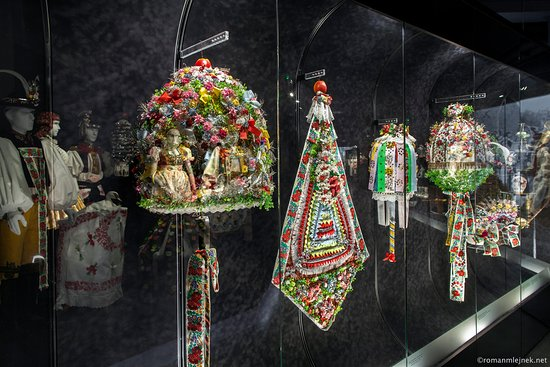
Although Joža Uprka’s work is not directly exhibited here, the Slovácko Museum in Uherské Hradiště is an essential stop for anyone hoping to better understand the cultural influences that shaped his art. The museum contains everything there is to know about the Slovácko region, bringing together ethnography, archeology, history, and fine arts to present a picture of Moravian life from the past and present.
Spread across several locations, the museum offers everything from exhibitions on regional history and archeology to galleries showcasing fine art from southeastern Moravia. Particularly compelling for Uprka enthusiasts is the museum’s extensive display of Moravian kroje, or traditional folk costumes, which allows visitors to experience firsthand the beautifully patterned garments, textiles, and adornments that appear so prominently in Uprka’s paintings.
By presenting both the material culture and daily life of Moravia, the Slovácko Museum provides invaluable context for Uprka’s work. Visiting helps viewers understand his paintings as lived realities, grounding his folkloric scenes in the traditions that inspired them. For more information, visit the museum website.
Museum of Art Olomouc
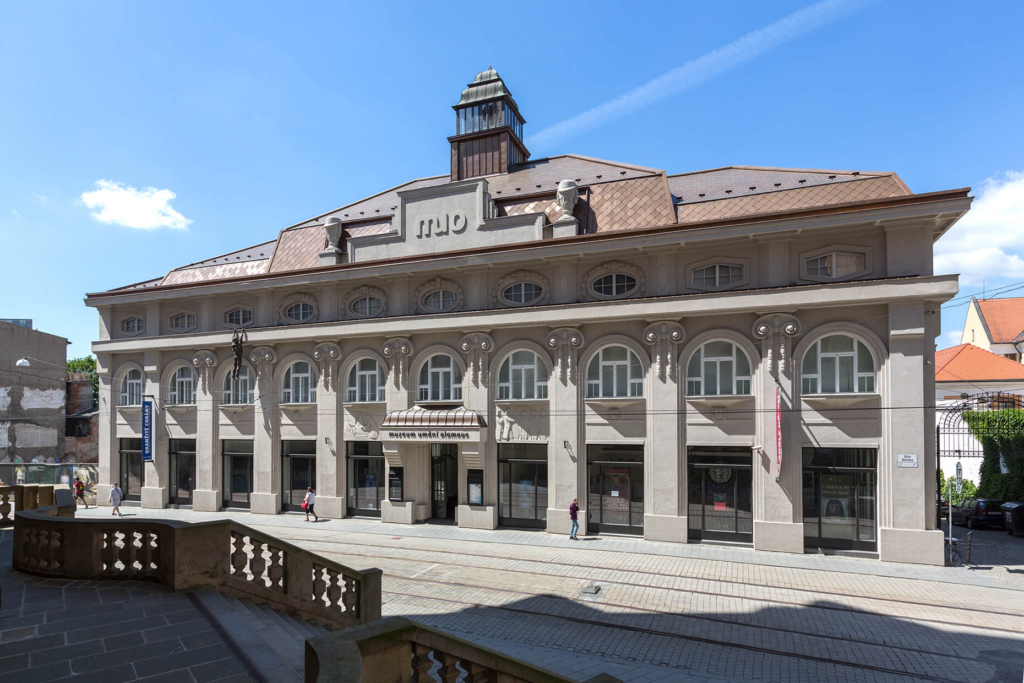
The Museum of Art Olomouc (MUO) is a must-visit for anyone interested in 19th- and early 20th-century Central European painting, including works by Joža Uprka. With a collection that spans over 96,000 objects, plus an additional 105,000 items from the Archbishopric of Olomouc, the museum is the third-largest institution of its kind in the Czech lands.
The museum’s 19th-century painting collection, though initially assembled in an ad hoc manner, now includes high-quality works by Uprka, alongside artists like Alfons Mucha, Stanislav Lolek, Maxmilián Pirner, and many others. With such a rich and varied collection, the museum allows visitors to situate Uprka and other SVU Mánes painters within the broader European art-historical canon, highlighting both the regional specificity of their work and their dialogue with wider modernist trends. The museum makes for a compelling stop for anyone looking to explore Uprka in depth. More information about the museum, exhibitions, and visiting hours here.
Pražák Palace at the Moravian Gallery, Brno
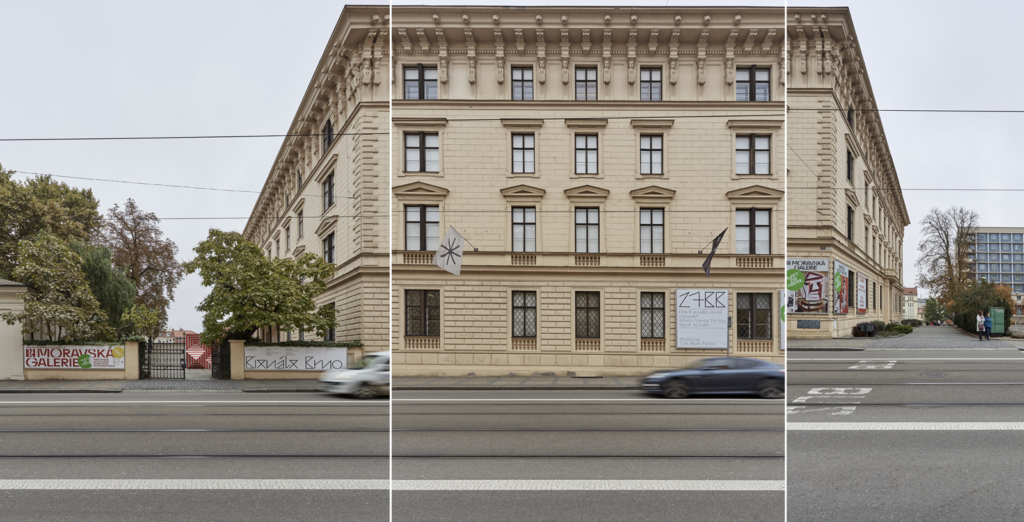
The Moravian Gallery in Brno is the second-largest art museum in the Czech Republic, with collections housed across several buildings throughout the city. Spanning from the Middle Ages to the present, the museum offers a broad view of Czech art history, with Pražák Palace housing the works by Uprka alongside other his collogues and friends within the Association of Moravian Artists (SVUM). Seeing Uprka’s work alongside that of his contemporaries offers insight into their distinct styles and artistic approaches, all while engaging with a shared, regionally specific subject matter. Displayed together, these works reveal visual and thematic similarities, allowing viewers to trace how these artists influenced one another within a closely connected artistic community.
Visitors can encounter iconic pieces such as Uprka’s 1894 work Pilgrimage of St. Anthony (Pouť u Sv. Antonínka) as well as his 1897 piece The Ride of the Kings (Jízda králů). For more information about their collections and visiting hours, click here.
The Prague Academy of Fine Art
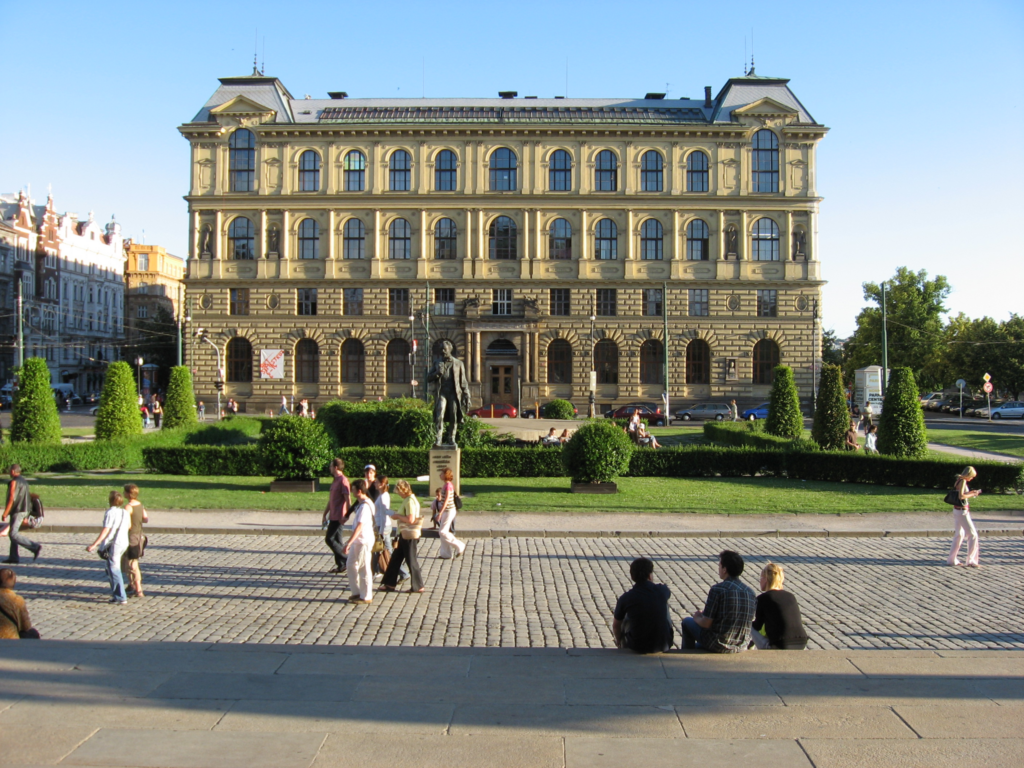
Uprka’s early artistic formation took place at the Prague Academy of arts, an institution that shaped generations of Czech artists in the late nineteenth century. He first studied at the academy from 1881 to 1884, a period marked by growing dissatisfaction with the school’s conservative approach to painting. This environment conflicted with Uprka’s increasing interest in vibrant color and emerging modern influences. Disagreements with his professors ultimately led to the loss of his scholarship and his departure from the Academy, followed by a brief return for two semesters in 1887-1888. After this period, Uprka returned permanently to his native Moravia.
Visiting the Prague Academy today offers a way to contextualize the institutional framework Uprka ultimately resisted, while also engaging with its ongoing mission. Through exhibitions, lectures, and events, the Academy continues to support contemporary artistic practice, continuing its historic legacy into the contemporary age.
Kodl Gallery, Prague
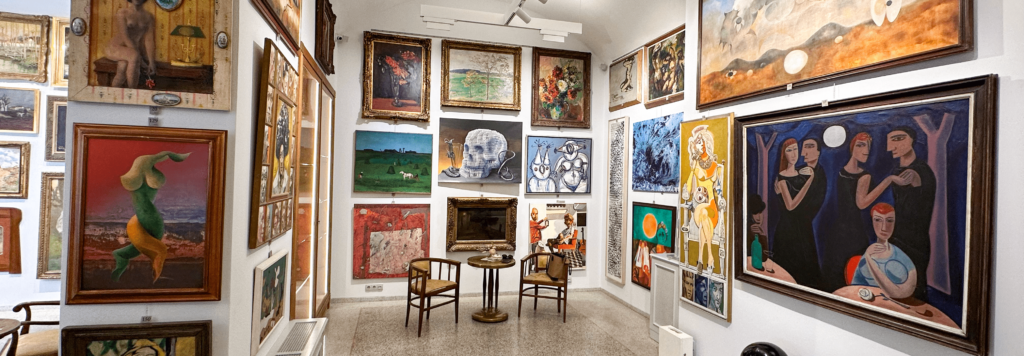
For those interested in encountering Uprka’s work within a contemporary gallery setting, Kodl Gallery in Prague is an important stop. Specializing in Czech fine art of the 19th and 20th centuries, the gallery focuses on the purchase and presentation of paintings, drawings, graphic works, and sculpture by key figures of Czech modern art. Housed since 2014 in the beautifully renovated former Topič Salon on Národní třída, the gallery regularly hosts pre-auction exhibitions and showcases contemporary artists during the summer months. Kodl represents painters like Joža Uprka, Bohumír Dvorský, Stanislav Lolek, and Max Švabinský, as well as sculptors such as Jan Štursa. Additionally they organize specialized exhibitions tied to publications and monographs.
If you’re thinking about taking home a souvenir, just remember, unlike postcards, some pieces can run into the thousands.
Mánes Gallery, Prague

The Czech Fine Arts Foundation (NČVU) continues the legacy of the Association of Fine Artists (1887) by supporting contemporary Czech artists and stewarding the historic Mánes Gallery. As the gallery’s history notes, SVU Mánes was dissolved in 1956 and replaced by the Czech Fund for Fine Arts, which managed the building until the 1990s. Today, Mánes Gallery hosts exhibitions, lectures, workshops, and performances, with the aim of restoring its role as one of the central hubs of Czech modern and contemporary art.
Although the gallery does not display works by Uprka and other SVUM artists, it remains an important stop for understanding the artistic culture and networks that shaped the careers of Czech modernists. Uprka and many of his contemporaries were connected to circles such as SVU Mánes, which created a space for collaboration, international exchange, and modernist experimentation, including exhibitions that introduced artists such as Aguste Rodin to Czech audiences.
Despite the changes the institution has undergone in the last few decades, Mánes endures in a contemporary form that echoes the collaborative and supportive spirit of SVU Mánes at its founding. Visiting today allows travelers to experience how this legacy lives through their rotating exhibitions and events.
Hlávkův Most, Prague
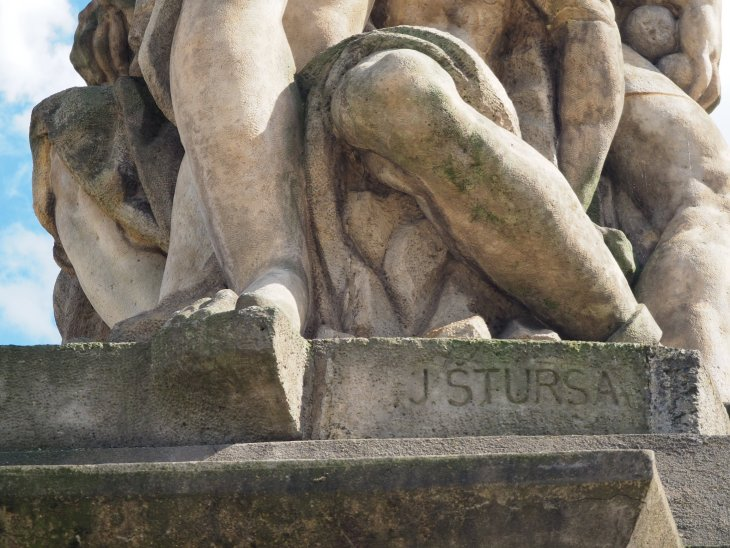
On Hlávkův Most in Prague, visitors can encounter two of Jan Štursa’s most remarkable public sculptures: Humanity (Humanita) and Industry (Práce), created between 1912 and 1913. These works showcase Štursa’s mastery of form and his ability to convey universal themes through his modernist, allegorical sculptures. Both Uprka and Štursa were part of the Association of Moravian Artists.
The bridge is not only an important part of Prague’s urban landscape but also a great stop to view these sculptures, as it’s on the route between the Academy of Fine Arts and Kodl Gallery, making it a perfect spot for art lovers to pause and take in the city’s public art!